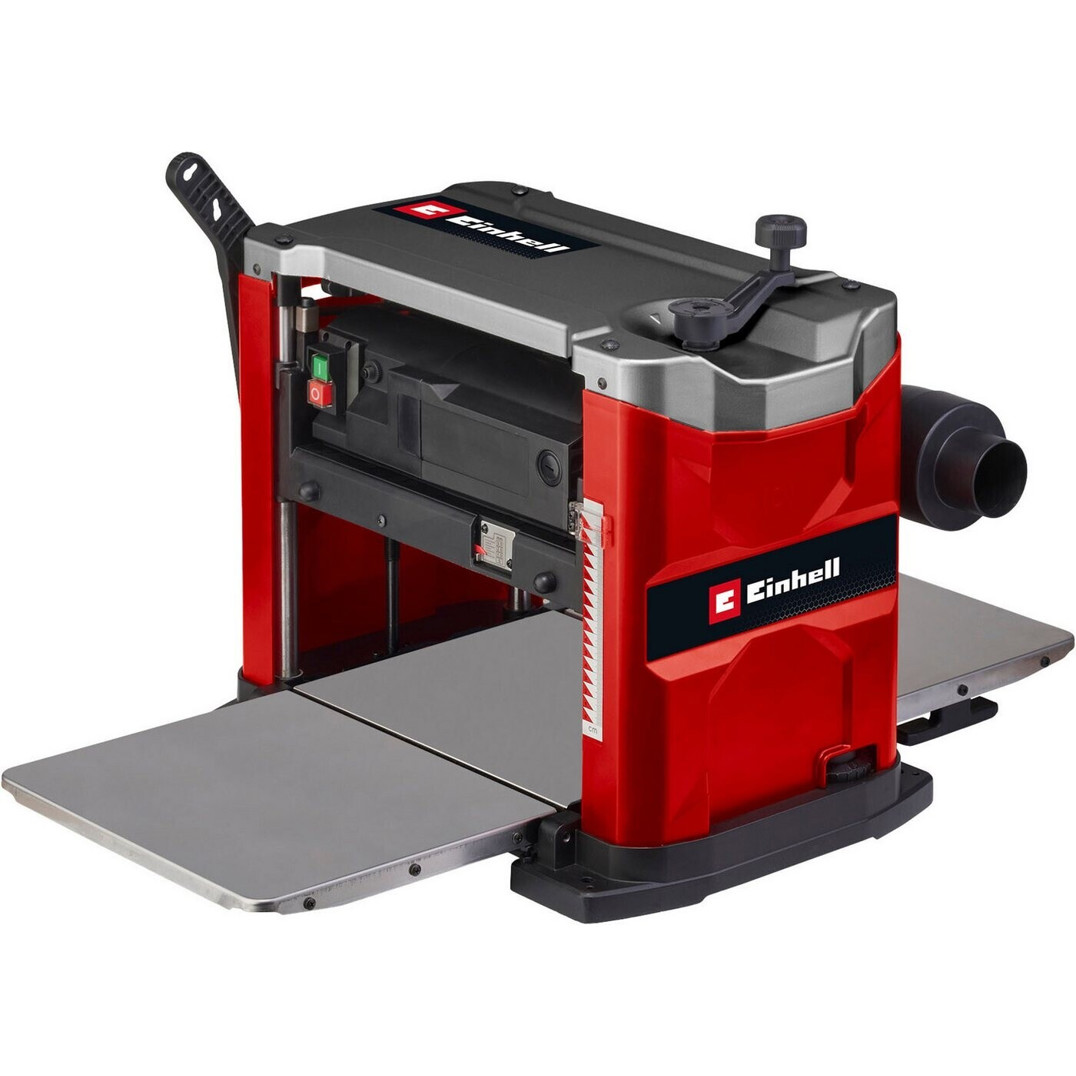
Hochwertige Fräsmaschinen
Add a review FollowOverview
-
Founded Date September 25, 1957
-
Sectors Health
-
Posted Jobs 0
-
Viewed 13

Company Description
10 Healthy Habits For A Healthy Industrial Milling Machines
A Comprehensive Guide to Industrial Milling Machines
Milling machines have actually revolutionized the production world, offering improved precision and efficiency in various industries. From aerospace to automobile, these versatile machines play an important function in creating intricate parts and elements. This post checks out the different types of industrial milling machines, their applications, and key considerations for präzisionsfräsmaschinen selecting the right milling machine for your needs.
Comprehending Milling Machines
At its core, a milling machine uses rotating cutters to remove product from a workpiece, developing particular shapes and designs. These machines can operate on various materials, consisting of metals, plastics, wood, and composites. The milling procedure permits for intricate designs that would be impossible with standard machining techniques.
Types of Industrial Milling Machines
Industrial milling machines can be found in various types, each developed to accommodate particular applications. Below is a table detailing the most common types of milling machines and industriefräsmaschinen (https://writeablog.net/) their attributes:
| Type of Milling Machine | Description | Typical Applications |
|---|---|---|
| Vertical Milling Machine | The spindle is oriented vertically; normally used for small to medium-sized parts. | Tool and die making, models, small-batch production |
| Horizontal Milling Machine | Features a horizontal spindle; suitable for large, heavy workpieces. | Manufacturing of gears, big parts production |
| CNC Milling Machine | Computer System Numerical Control (CNC) innovation permits automated and programmable operations. | Mass production, fräsmaschinen füR Schulen kaufen precision parts, automobile and aerospace industries |
| Universal Milling Machine | Can carry out horizontal and vertical milling operations; versatile and adaptable. | Production workshops, tool making |
| Bed Mill | A variation of vertical milling machines with a larger work surface area; suitable for heavy milling. | Medium to large workpieces needing precision |
| Turret Mill | Features a stationary bed and a movable turret; great for small production runs. | Prototyping, one-off tasks |
Advantages of Industrial Milling Machines
Industrial milling machines provide numerous advantages that add to their extensive use in various sectors. Here are some key advantages:
- Precision and Accuracy: Milling machines can achieve tight tolerances and complex styles, making them perfect for parts requiring high precision.
- Flexibility: With numerous accessories and tools readily available, milling machines can accomplish numerous manufacturing tasks, from easy cuts to intricate shapes.
- Automation: CNC milling machines automate the procedure, reducing human error and increasing efficiency, particularly for mass production runs.
- Scalability: Businesses can quickly scale operations up or down, getting used to market demands and production requirements.
Key Considerations When Choosing a Milling Machine
When selecting an industrial milling machine, numerous elements need to be assessed to ensure the ideal suitable for your particular needs:
-
Material Compatibility: Different milling machines perform much better with particular products. Examine your predominant materials to pick the very best machine.
-
Size and Scale: Consider the size of the workpieces, as well as the production scale. Some machines are better matched for large batches, while others are created for custom, one-off jobs.
-
Precision Requirements: Determine the needed precision levels for your particular applications, which will affect the option in between handbook and fräsmaschinen für heimwerkerprojekte kaufen CNC options.
-
Budget Constraints: Always element in your budget when selecting a milling machine. High-end CNC machines can be pricey but may save cash in the long run due to effectiveness.
-
Available Space: Industrial milling machines can be considerable; guarantee you have adequate space for the machine and necessary tools.
Applications of Milling Machines
Industrial milling machines serve a huge array of markets and applications. Some typical usages consist of:
- Aerospace: Manufacturing components such as turbine blades and gear real estates that require high precision and product stability.
- Automotive: Creating engine blocks, transmission parts, and other vital parts where precision is vital.
- Medical Devices: Producing surgical instruments and implants needing accurate dimensions and tolerances.
- Electronic devices: Manufacturing complex electronic enclosures and components where intricate designs are crucial.
- Building and construction: Creating parts for machinery, brackets, and custom fittings.
Regularly Asked Questions (FAQ)
1. How does a milling machine differ from a lathe?
Milling machines remove product from a workpiece by utilizing turning cutters, whereas lathes turn the workpiece versus a fixed cutting tool. Lathes are typically used for creating cylindrical parts, while milling machines are suitable for a wider range of shapes.
2. What is CNC milling?
CNC milling (Computer Numerical Control milling) includes utilizing computer software to manage the movement of the milling machine and the tools. CNC milling machines enable automation, precision, fräSmaschinen mit Garantie kaufen and repeatability, making them extremely reliable for mass production.
3. What is the importance of tooling in milling operations?
Tooling is critical in milling operations as it identifies the quality of cuts, product removal rates, and general performance. Choosing the ideal tooling based upon the product and preferred surface is vital for effective machining.
4. Can milling machines be used for both metal and wood?
Yes, Zuverlässige Fräsmaschinen Kaufen a lot of mills can deal with both metal and wood. However, specific attachments and tooling may be required to enhance the milling procedure for various products.
5. How typically should milling machines be preserved?
Regular maintenance is important for guaranteeing optimal performance and durability. Daily look for wear and tear, lubrication, and periodic professional servicing are recommended to keep machines in peak condition.
Industrial milling machines are crucial to modern-day production, offering unequaled precision and flexibility across a series of industries. By understanding the different types of milling machines, applications, and essential selection requirements, businesses can make educated choices that enhance performance, effectiveness, and success. With the right milling machine, business can push the borders of what’s possible in manufacturing, paving the way for innovation and growth in an ever-evolving market.