

Hobelmaschinen-Lieferanten
Add a review FollowOverview
-
Founded Date April 24, 2013
-
Sectors Health
-
Posted Jobs 0
-
Viewed 20

Company Description
10 Facts About Planing Machines Suppliers That Can Instantly Put You In Good Mood
Understanding Planning Machines and Their Suppliers
Planning machines play a vital function in different markets by supplying precision in shaping, completing, and machining materials. They are particularly vital in woodworking, metalworking, and producing sectors. This blog post looks into the world of preparing machines, their suppliers, and what makes a great planning maker provider.
A Brief Overview of Planning Machines
What is a Planning Machine?
A preparation maker, typically referred to as a planer, Hobelmaschinen-Lieferung is a tool utilized to produce flat surfaces on a product. It works by moving the workpiece versus a stationary tool (the cutter), which effectively removes product to produce a smooth, level surface. Planning machines can be found in different types, including portable planers for smaller jobs and industrial-grade machines for substantial operations.
Applications of Planning Machines
Planning machines have diverse applications across numerous industries:
| Industry | Typical Applications |
|---|---|
| Woodworking | Forming wood panels, smoothing surface areas, molding |
| Metalworking | Finishing metal parts, creating exact edges |
| Manufacturing | Developing models, assembly line applications |
Kinds Of Planning Machines
1. Portable Planers
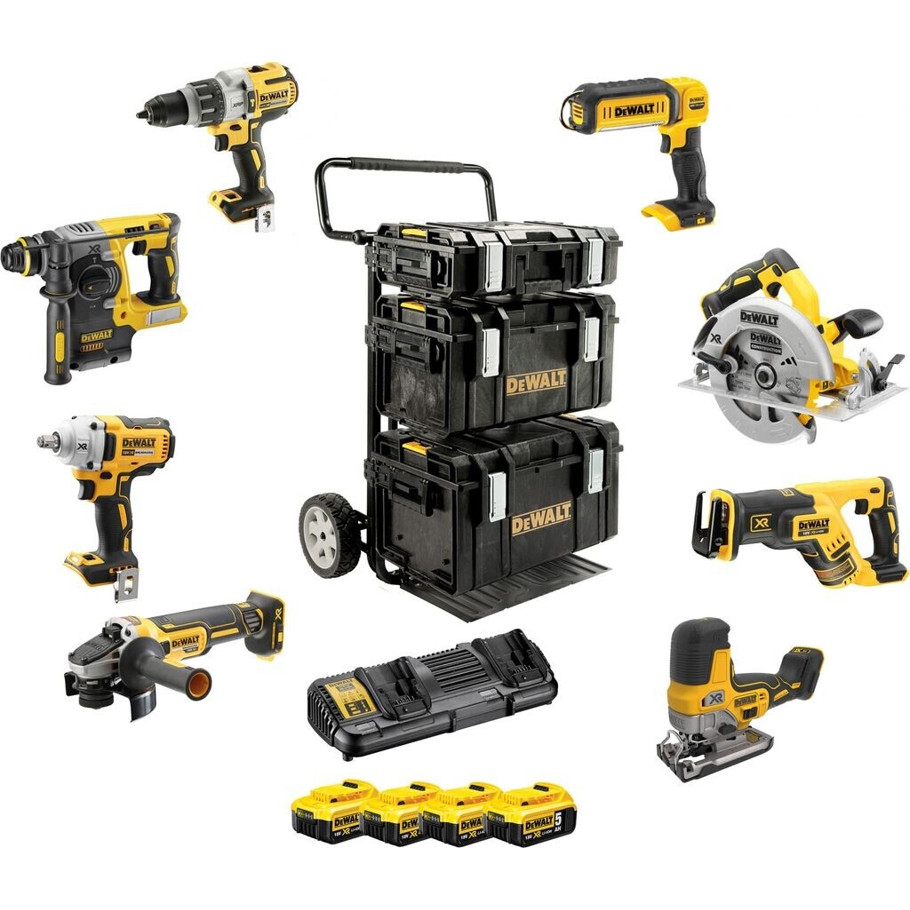
Portable planers are perfect for smaller sized or more intricate jobs where mobility is required. They are typically light-weight and easy to use, making them perfect for DIY projects.
2. Benchtop Planers
These are compact machines that supply better power than portable alternatives. Benchtop planers can manage bigger pieces of product and are commonly used in workshops.
3. Industrial Planers
Developed for durable jobs, industrial planers are capable of processing large volumes of materials. They typically include sophisticated functions like digital height change and automatic feed.
4. Thickness Planers
Thickness planers particularly aim to decrease the thickness of lumber, making them indispensable in woodworking shops.
Picking the Right Supplier
When looking for planning maker suppliers, it’s vital to consider several aspects to guarantee that the provider meets your requirements and standards.
Key Factors to Consider
- Credibility: Look for suppliers with favorable market reviews and testimonials.
- Product Range: Suppliers using a wide range of planers likely have items to suit various projects.
- Quality control: Ensure the supplier abides by strict quality controls and requirements.
- Client Support: Reliable customer care is essential, specifically for installation and maintenance support.
- Prices: Compare rates however bear in mind that the most affordable option may not be the best for long-lasting investments.
Leading Planning Machine Suppliers
Table of Top Suppliers
| Provider Name | Place | Item Range | Site |
|---|---|---|---|
| Delta Machinery | USA | Woodworking Planers | www.deltamachinery.com |
| Makita | Japan | Portable & & Benchtop Planers | www.makita.com |
| Grizzly Industrial | USA | Industrial & & Benchtop Planers | www.grizzly.com |
| Baileigh Industrial | USA | Metal Planers | www.baileigh.com |
| Woodmaster Machines | U.S.A. | Wood Planers & & Sanders | www.woodmaster.com |
Functions to Look for in Planning Machines
When picking a planning device, it is vital to assess specific features that figure out performance, safety, and ease of usage.
Important Features
- Motor Power: An effective motor ensures much better cutting effectiveness and handling of various materials.
- Blade Quality: High-quality, durable blades offer precision and decrease wear and tear.
- Feed Rate: Adjustable feed rates permit modification based on the product being processed for optimum outcomes.
- Dust Collection: A good dust collection system keeps the workspace tidy and boosts exposure.
- Safety Features: Essential safety features include blade guards, emergency stops, and appropriate brake mechanisms.
Regularly Asked Questions (FAQs)
Q1: How do preparation machines differ from other machining tools?
A1: Planning machines concentrate on producing flat surface areas, while other tools like lathes shape materials into round types. Each tool has its specific applications and strengths.
Q2: Are preparing machines safe to use?
A2: Yes, supplied that users follow safety standards and the manufacturer’s guidelines. Including safety features, utilizing personal protective equipment, and correct training considerably increase security throughout operation.
Q3: How do I preserve my preparation maker?
A3: Regular upkeep includes monitoring and changing blades, cleaning up dust and debris, lubing moving parts, and ensuring all electrical components are functional.
Q4: What materials can be processed with planning machines?
A4: Planning machines can work with various materials, specifically wood and metals. However, it’s important to pick the right type of planer suited for particular products to prevent damage or inefficiency.
In summary, preparing machines are vital tools in woodworking, metalworking, and making sectors. Picking the right supplier can help organizations gain access to quality items that enhance production performance. By understanding the crucial functions, types, and applications of these machines, industries can make informed choices. Consequently, the significance of persistent research can not be overstated– each option made today effects performance and operational success in the long run.
As industries continue to develop, staying upgraded with advances in planning machine innovation and provider options will make sure companies maintain an one-upmanship.