

Miter Saws
Add a review FollowOverview
-
Founded Date July 22, 2003
-
Sectors Health
-
Posted Jobs 0
-
Viewed 88

Company Description
How To Explain Mitersaw To Your Grandparents
The Essential Guide to Miter Saws: Understanding, Choosing, and Using the Perfect Tool
Introduction
Miter saws are essential tools in the arsenal of both amateur and professional woodworkers. These flexible devices allow users to make accurate crosscuts and angled cuts, making them ideal for a range of woodworking jobs, from framing to kitchen cabinetry. In this extensive blog post, we will explore the world of miter saws, covering their types, features, and key considerations when choosing one. We’ll likewise answer some regularly asked concerns, making sure that readers are well-equipped to make informed decisions.
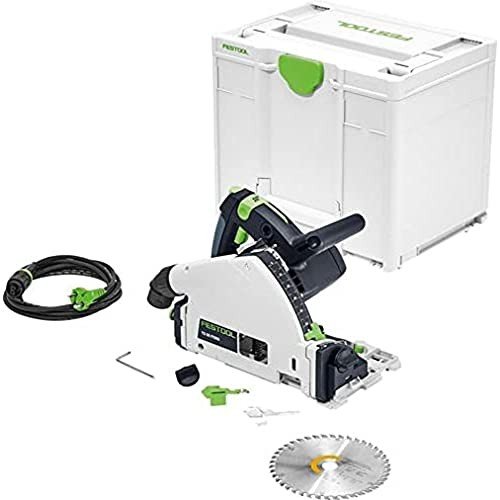
What is a Miter Saw?
A miter Mitre Angle Saw Saw Hand (Glassyun58.Com) is a power tool that features a circular blade and is used for making accurate crosscuts and miters at various angles. The saw is typically installed on a hinged arm that enables the user to reduce the blade down onto the workpiece, making it procedure effective and accurate.
Key Components of a Miter Saw
| Element | Description |
|---|---|
| Blade | Circular cutting blade, offered in numerous sizes. |
| Base | The flat surface area that supports the workpiece. |
| Miter Gauge | Adjustable system to set the angle of cuts. |
| Bevel Adjustment | Permits angled cuts along the vertical plane. |
| Fence | The assisting edge that keeps wood steady throughout cutting. |
Types of Miter Saws
There are several types of miter saws, each created for specific cutting requirements. Below is a contrast of the most typical types:
| Miter Saw Type | Description | Best For |
|---|---|---|
| Standard Miter Saw | Basic design, suitable for making fast crosscuts and miter cuts. | Small tasks and light-duty tasks. |
| Compound Miter Mitre Saw Double Bevel | Can tilt in one direction for beveled cuts, suitable for complex tasks. | Crown molding, wooden frames, etc. |
| Sliding Compound Miter Saw | Offers sliding abilities; permits broader cuts. | Bigger pieces, thicker materials. |
| Dual-Bevel Miter Saw | Can tilt in both directions, making it flexible. | Specialists who deal with intricate angles. |
Choosing the Right Miter Saw
When it comes to selecting the right miter saw, several elements come into play:
- Cutting Capacity: Consider the size of materials you prepare to work with. Sliding miter saws typically offer larger cutting capability.
- Angle Adjustment: Look for features like double bevels and exact angle settings if your work needs elaborate cutting.
- Mobility: If you need to move your saw frequently, think about the weight and design of the design.
- Power: Thicker products need more power; a higher amperage motor is preferable for such jobs.
Functions to Consider
When evaluating miter saws, the following functions can greatly improve your cutting experience:
| Feature | Description |
|---|---|
| Laser Guide | Projects a line on the workpiece for increased precision. |
| Electric Brake | Stops the blade rapidly for improved security. |
| Dust Collection | Keeps your work area tidy and enhances presence. |
| User-Friendly Controls | Intuitive settings that streamline changes. |
Safety Tips for Using a Miter Saw
Security ought to always be a leading concern when running any power tool. Here are some important security tips:
- Wear Safety Gear: Always use shatterproof glass and ear protection.
- Inspect Your Workpiece: Ensure there are no foreign objects in the cutting course.
- Protect Your Work: Use clamps or a vice to hold the workpiece constant.
- Do Not Overreach: Keep a stable stance by placing yourself properly.
Maintenance Tips for Miter Saws
To make sure that a miter saw runs smoothly and lasts long, routine maintenance is crucial. Here are some pointers:
- Keep the Blade Sharp: Dull blades can create friction and damage the material.
- Tidy the Saw Regularly: Remove dust accumulation and particles, particularly from the blade and motor.
- Check the Alignment: Periodically confirm that the blade is aligned precisely to ensure precision.
- Lube Moving Parts: Apply machine oil on the moving parts to reduce friction.
Frequently asked question Section
1. Can a miter saw cut through thick wood?
Yes, however ensure you select a saw with the proper cutting capacity and a sharp blade.
2. What size miter saw do I need?
The size depends upon your tasks. A 10-inch saw is perfect for most hobbyists, while a 12-inch saw can manage larger boards and thick products.
3. Is it safe to utilize a miter saw alone?
It is normally safe to utilize a miter saw alone, but guarantee you follow all security guidelines and preserve a clear workspace.
4. How can I prolong the life of my miter saw?
Regular maintenance, like cleansing and sharpening the blade, along with proper storage, will assist prolong its lifespan.
5. What’s the distinction in between a compound miter saw and a sliding compound miter saw?
A compound miter saw can make beveled cuts in one instructions, while a sliding compound miter saw has a sliding feature to permit for larger cuts.
Miter saws are crucial tools that can elevate the quality and efficiency of woodworking jobs. Understanding the various types, functions, and security steps can help both novices and experienced specialists make informed decisions. With routine upkeep and correct usage, a miter saw can show to be an indispensable addition to any workshop, ensuring tidy and exact cuts every time. Whether you’re framing a home or crafting elaborate moldings, the Best Mitre Saws miter saw will assist you achieve your vision with ease and accuracy.