

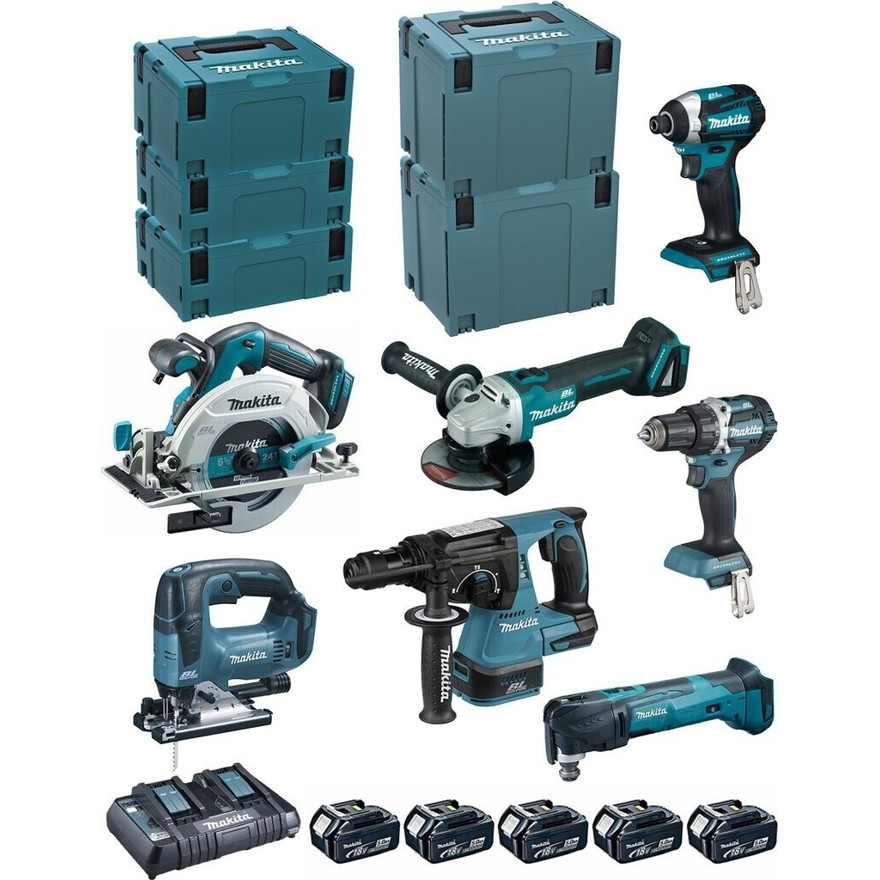
Maschinen Set Mit 3 Akkus
Add a review FollowOverview
-
Founded Date May 28, 1940
-
Sectors HR Management
-
Posted Jobs 0
-
Viewed 55

Company Description
Wall Chaser Test Tools To Streamline Your Everyday Lifethe Only Wall Chaser Test Trick That Every Person Must Know
The Comprehensive Wall Chaser Test: A Guide to Choosing the Right Tool for Your Project
Wall chasers are specialized tools developed for cutting narrow grooves into walls, mostly to house electrical wires, plumbing, or other setups. Their capability to create tidy, consistent channels makes them vital for electrical contractors, plumbers, and DIY enthusiasts alike. However, with many alternatives on the marketplace, picking the right wall chaser can be rather a complicated job. This post will dive into the important elements of wall chasers, present the outcomes of detailed tests carried out on various models, and address regularly asked concerns (FAQs).
Understanding Wall Chasers
Before diving into the screening treatments and outcomes, it is crucial to comprehend what wall chasers are and how they operate. Wall chasers are normally equipped with 2 parallel diamond blades, which cut into the wall while leaving a channel in between. This design enables for more precise and cleaner cuts than traditional saws or mills.
Key Features of Wall Chasers
- Blade Size: Wall chasers typically have blades varying from 6 to 9 inches, impacting cutting depth and width.
- Power and Speed: These tools differ in wattage, which influences their cutting efficiency and speed.
- Weight and Ergonomics: The weight and style of the tool significantly impact user convenience during extended usage.
- Dust Collection: Effective dust extraction mechanisms are crucial for maintaining a tidy work space and presence.
- Security Features: Look for tools with security features such as spindle locks and anti-kickback styles.
The Wall Chaser Test: Methodology and Results
To help users in making informed choices, a series of tests were conducted on five popular wall chaser designs across various categories. The requirements for testing consisted of cutting efficiency, dust management, ergonomic design, and overall user complete satisfaction.
Checked Models
| Model | Blade Size (inches) | Power (watts) | Weight (lbs) | Price (₤) |
|---|---|---|---|---|
| Model A | 6 | 1200 | 9.5 | 120 |
| Model B | 7 | 1500 | 10 | 150 |
| Design C | 9 | 1800 | 11.5 | 200 |
| Design D | 6 | 1000 | 8 | 110 |
| Design E | 7 | 1300 | 9 | 140 |
Efficiency Feedback
The following table sums up user feedback from the tests, Abrichthobel Maschine Kaufen concentrating on each design’s strengths and weak points.
| Design | Cutting Performance | Dust Management | Ergonomics | User Satisfaction |
|---|---|---|---|---|
| Design A | Excellent | Fair | Great | 4/5 |
| Design B | Exceptional | Great | Fair | 4.5/ 5 |
| Design C | Outstanding | Outstanding | Fair | 5/5 |
| Design D | Fair | Poor | Exceptional | 3/5 |
| Design E | Excellent | Fair | Good | 4/5 |
Key Findings
- Cutting Performance: Model C stood out for its robust power and bigger blade size, enabling it to cut deeper and larger grooves with very little effort.
- Dust Management: Model C once again excelled in this category, including an integrated dust collection system that preserved a cleaner work area.
- Ergonomics: Model D received positive feedback for Binder Joiner Test 2024 its lightweight style, making it more comfy for prolonged usage, despite its lower cutting efficiency.
- Overall User Satisfaction: Model C got the greatest general scores, making it a suggested choice for professionals and serious DIYers.
Advantages of Using a Wall Chaser
Accuracy Cutting
Wall chasers guarantee that the grooves cut are uniform, which is critical for accommodating conduits and pipes.
Time-Saving
Investing in a wall chaser can substantially minimize the time needed for cutting compared to manual methods.
Safety
Developed particularly for cutting walls, wall chasers include safety functions that might not be present in other cutting tools.
Versatility
With the best blades, wall chasers can be used on various materials, consisting of brick, concrete, and drywall.
Frequently Asked Questions (FAQs)
1. How deep can a wall chaser cut?
Many wall chasers can cut grooves up to 1.5 inches deep, depending on blade size, but this differs by model.
2. Is it tough to use a wall chaser?
Utilizing a Wall Chaser Test chaser is relatively simple, however it needs careful handling. It is advisable to practice on scrap material before dealing with actual jobs.
3. What type of product can I use a wall chaser on?
Wall chasers can be utilized on numerous materials including concrete, brick, and drywall. Always inspect the maker’s requirements for suitable materials.
4. Do I require to use security equipment?
Definitely! Always wear protective glasses, gloves, and a dust mask when running a wall chaser to protect against flying debris and Akku Geräte Set Günstig dust.
5. Can I use a wall chaser for other home tasks?
While created for cutting grooves, some users find wall chasers versatile enough for other cutting jobs, but they are most effective for wall applications.
Choosing the best wall chaser involves understanding one’s requirements, the functions offered, and the specific requirements of the project at hand. The extensive testing results offer valuable insights for choosing the finest wall chaser tool that stabilizes power, ergonomics, and overall user fulfillment. With the ideal model, users can enhance their cutting efficiency and ensure their installations are both precise and clean. Whether a professional tradesperson or a DIY lover, investing in a quality wall chaser can make a substantial difference in project results.