

Fascia And Soffit Upgrades
Add a review FollowOverview
-
Founded Date September 24, 1991
-
Sectors Engineering
-
Posted Jobs 0
-
Viewed 57

Company Description
What’s The Job Market For Fascia And Soffit Maintenance Professionals Like?
Fascia and Soffit Maintenance: A Comprehensive Guide
When it pertains to keeping the outside of a home, lots of property owners often overlook the significance of fascia and soffit. These components not just add to the visual appeal of a home but likewise play crucial roles in ventilation, protecting underlying structures, and preventing water damage. In this article, we will dive into fascia and soffit maintenance, detailing why it’s necessary, how to carry out routine assessments, and what actions are needed for upkeep.
What are Fascia and Soffit?
Before diving into maintenance practices, it’s valuable to comprehend what fascia and soffit are.
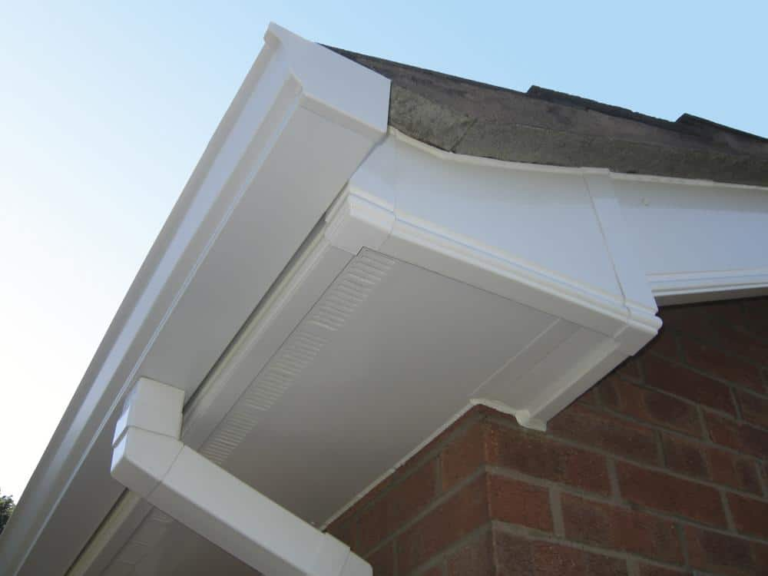
Fascia: This is the horizontal board that runs along the edge of the roofline. It acts as a barrier against moisture and supplies a finished appearance to the edges of the roofing. Fascia boards frequently support the gutters and are vital in avoiding water damage to the structure of the home.
Soffit And Fascia Services: Located below the fascia, the soffit is the material that connects the roofing overhang to the walls of the home. It can be ventilated or solid, enabling airflow into the attic area, which is important for controling temperature level and wetness levels.
Value of Fascia and Soffit Maintenance
Regular maintenance of fascia and soffit is vital for numerous reasons:
-
Prevention of Water Damage: Poorly kept fascia and soffit can cause water penetration, leading to pricey structural damage and mold development.
-
Insect Control: Damaged or overlooked fascia and soffit can produce entry points for pests like rodents and insects.
-
Visual Appeal: Well-maintained fascia and soffit add to the overall visual appeal of a home, increasing its market price.
-
Energy Efficiency: Proper ventilation through the soffit supports energy effectiveness by controling attic temperature level and reducing heating & cooling expenses.
Signs That Maintenance is Required
Acknowledging when your fascia and soffit need attention is essential. Watch out for the following indications:
| Signs of Damage | Description |
|---|---|
| Peeling or Cracking Paint | Shows moisture exposure or structural damage. |
| Water Stains/Sagging | Suggests considerable water intrusion. |
| Pest Infestation | Live pests or droppings around fascia/soffit areas. |
| Algae or Mold Growth | Signals excessive moisture levels. |
| Loose or Missing Soffit Panels | Might permit bugs to go into or present moisture. |
Regular Inspection Procedures
Regular inspections are integral to preserving the health of fascia and soffit. Here’s a step-by-step guide for the procedure:
Step 1: Visual Assessment
- Inspect fascia: Check for paint flaking, cracks, or any signs of warping.
- Examine soffit: Look for holes or gaps that may allow insects to enter.
Action 2: Check for Moisture
- Try to find water stains in the attic or ceiling directly underneath the soffit.
- Check any locations where rainwater might collect at the edge of the roofing.
Action 3: Ventilation Check
- Validate that vents in the soffit are not obstructed. Proper airflow is important for attic health.
Step 4: Pest Inspection
- Check for signs of bug activity, such as droppings or nests.
Step 5: Gutter Maintenance
- Ensure rain gutters are clear and operating properly to direct water away from the fascia and soffit.
Maintenance Tips
Taking proactive steps to preserve fascia and soffit can save homeowners from costly repairs later on. Think about the following pointers:
-
Regular Cleaning:
- Clean fascia and Soffit And Fascia Services using a mild detergent and a soft brush, free from abrasive materials that might cause damage.
-
Inspect Twice a Year:
- Conduct examinations in the spring and fall to capture any concerns early.
-
Retouch Paint:
- Ensure the paint on your fascia is intact. A fresh coat can avoid moisture penetration and boost aesthetic appeals.
-
Seal Gaps:
- Use caulk to fill any gaps in between fascia and soffit where possible to deter insects and wetness.
-
Deck or Gutter Maintenance:
- Ensure gutters are cleaned up out routinely to prevent water overflow which might damage fascia and soffit.
Professional Assistance
While routine maintenance can often be carried out by homeowners, there are times when professional aid is essential. Here are a few circumstances when employing a professional might be rewarding:
- Significant Damage: If you see extensive decomposing or drooping, a professional is needed to assess and repair.
- Insect Removal: If pests are discovered, professional pest control experts can make sure total removal and prevention.
- Ease of access Issues: If the Fascia Repair or soffit is high or challenging to reach, professionals have the right tools to safely carry out the needed work.
Frequently asked questions About Fascia and Soffit Maintenance
1. How frequently should fascia and soffit be inspected?
- It is suggested to inspect fascia and soffit a minimum of twice a year, preferably in spring and fall.
2. What products are fascia and soffit generally made from?
- Typical materials consist of wood, vinyl, aluminum, and fiberglass. Each has its maintenance needs.
3. Can I paint vinyl soffit?
- Painting vinyl soffit is generally not advised because it can void the maker’s service warranty.
4. What are the consequences of disregarding fascia and soffit maintenance?
- Disregarding maintenance can lead to water damage, insect infestations, mold development, and reduced residential or commercial property worth.
5. Is it challenging to replace broken fascia and soffit?
- While DIY replacements are possible, it often requires particular skills and tools. Professional assistance is recommended for substantial repairs.
Fascia and soffit may be little parts of a home’s outside, but they play important roles in structural stability and total appeal. Routine examinations and maintenance not just extend the life of these elements but likewise safeguard the home from potential dangers. By staying vigilant and proactive, house owners can guarantee their homes remain beautiful and resistant versus the components for many years to come.