

Roofline Replacement
Add a review FollowOverview
-
Founded Date December 29, 1996
-
Sectors HR Management
-
Posted Jobs 0
-
Viewed 44

Company Description
Is Fascia And Soffit As Important As Everyone Says?
Understanding Fascia and Soffit: Key Components of Your Roof Overhang
When it concerns home building and construction and maintenance, many homeowners might overlook some of the unsung heroes of roofing: fascia and soffit. Although these components might not be the stars of your roof, they certainly play essential roles in safeguarding your home from the aspects while adding to its visual appeal. This blog post will explore what fascia and soffit are, their function, how they vary, installation practices, maintenance pointers, and frequently asked questions related to these vital parts.
What Are Fascia and Soffit?
Fascia
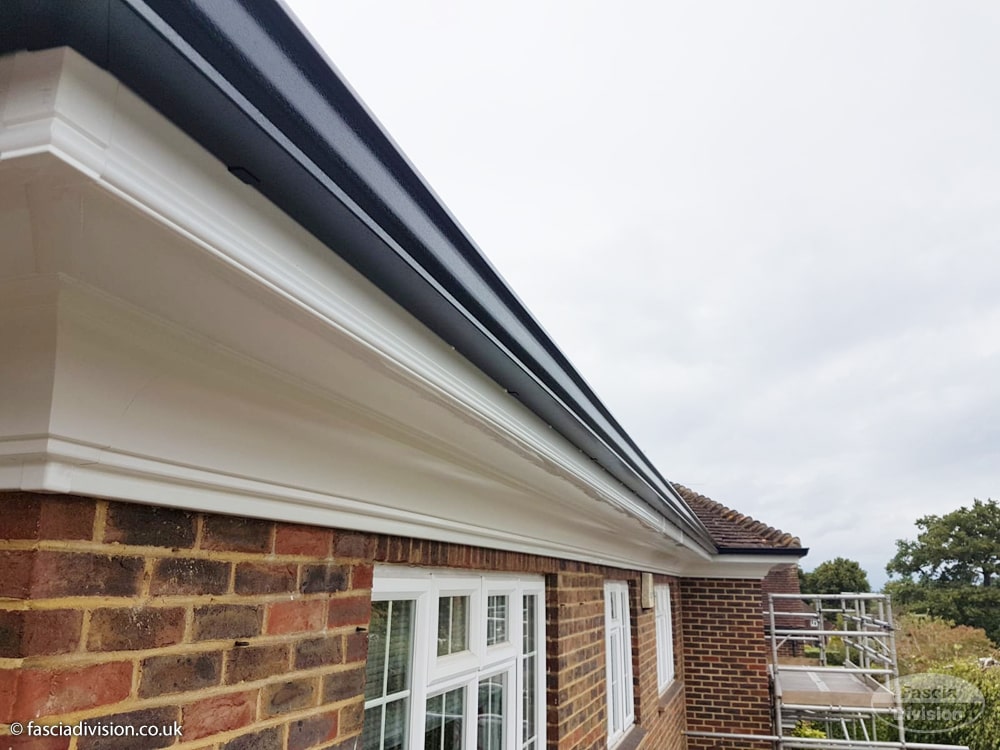
Fascia And Soffit Upgrades is the horizontal board that runs along the edge of the roofline. It works as a protective barrier in between the roofing system and the outside aspects, while also offering a finished aim to your home. Typically, fascia boards are made from wood, PVC, or composite products and can be painted or stained to match your home’s color design.
Soffit
Soffit, on the other hand, is the product that links the fascia And soffit company to the exterior wall of the house. It is generally set up in the underside of the eaves and might include vented or unvented panels. Soffit serves as a shift between the roofing and the walls of your home, creating a smooth look while permitting ventilation in the attic space.
Table 1: Key Differences Between Fascia and Soffit
| Function | Fascia | Soffit |
|---|---|---|
| Location | Edge of the roofline | Underside of the eaves |
| Function | Secures roofing system, visual | Covers rafters, ventilation |
| Products | Wood, PVC, or composite | Wood, vinyl, aluminum |
| Installation | Connected to rafters | Installed below the fascia |
The Importance of Fascia and Soffit
Understanding the significance of fascia and soffit can help property owners value the role they play in the health and longevity of their roofings. Here are some crucial functions:
-
Protection Against Water Damage: Fascia helps to avoid water from leaking into the underlying structure of the roof and walls. Integrated with soffit, they interact to handle water runoff during rain, securing your home from possible leaks.
-
Ventilation: Proper airflow is essential for maintaining temperature and wetness levels in the attic, which can extend the life expectancy of the roofing system. Vented soffit panels enable air to flow in, while venting at the ridge permits hot air to get away, producing a balanced system that decreases moisture buildup.
-
Visual Appeal: Both fascia and soffit contribute to the total appearance of your home. With different choices for colors, products, and designs available, these components can enhance your home’s curb appeal and value.
-
Pest Prevention: Well-installed soffit assists to keep bugs out of the attic, avoiding infestations that can lead to significant damage.
Table 2: Benefits of Fascia and Soffit
| Advantage | Description |
|---|---|
| Water Damage Protection | Prevents moisture seepage into home structures |
| Boosted Ventilation | Permits proper air flow to minimize attic moisture |
| Aesthetic Improvement | Enhances and enhances outside home design |
| Pest Deterrence | Blocks entry points for pests and rodents |
Installation Considerations
Setting up Fascia And Soffit Maintenance and soffit is a job that needs careful preparation and execution. If done improperly, the threats consist of water damage, insect invasion, and minimized energy effectiveness. Here are some considerations:
-
Material Choice: Selecting the best product is important. While wood provides a timeless appearance, it is vulnerable to rot and requires maintenance. PVC and aluminum are resistant to weather conditions and low maintenance, making them popular choices.
-
Ventilation Needs: Depending on your roofing style and attic setup, think about whether you require vented or unvented soffit. Excessive sealing without ventilation can lead to moisture buildup.
-
Professional Installation: While some property owners might attempt this as a DIY project, working with skilled specialists can guarantee quality installation and longevity of these parts.
Maintenance Tips
Preserving Fascia And Soffit Upgrades and soffit is essential for the durability and performance of your roofing system. Here are some best practices:
-
Regular Inspections: Check for signs of water damage, rot, or mold a minimum of twice a year, especially after serious weather condition events.
-
Tidy Gutters: Clogged seamless gutters can cause water pooling around the fascia, triggering rot. Make sure that rain gutters are frequently cleared and functioning effectively.
-
Expect Pests: Keep an eye out for indications of bug problems. Check for droppings or nesting products in the attic and around the eaves.
-
Repaint and Refurbish as Needed: If utilizing wood products, check and repaint to prevent rot. Aluminum and vinyl might need less regular maintenance.
Table 3: Maintenance Checklist for Fascia and Soffit
| Maintenance Action | Frequency |
|---|---|
| Examine for damage | Two times a year |
| Clean gutters | Every season |
| Look for bug activity | Regular monthly |
| Repaint/refurbish | Every 3 to 5 years |
Frequently Asked Questions (FAQ)
1. What materials are best for fascia and soffit?
- Common products include wood, PVC, aluminum, and vinyl. Your option depends on budget plan, climate, and maintenance choices.
2. How frequently should I inspect my fascia and soffit?
- It is recommended to examine them a minimum of twice a year, preferably in the spring and fall.
3. Can I set up fascia and soffit myself?
- While DIY installation is possible, hiring specialists is recommended to make sure quality and longevity.
4. What are the indications of damage to fascia and soffit?
- Look for peeling paint, water discolorations, drooping boards, or signs of bug activity.
5. Are vented soffits essential?
- Vented soffits are recommended for attics needing correct airflow, as they help manage temperature and moisture.
Fascia and soffit might not get the spotlight in home style, but their value can not be overstated. As necessary parts of your roofing system, they contribute to protection, ventilation, aesthetic appeals, and pest avoidance. Whether you’re constructing a new home or keeping an existing one, detailed knowledge about fascia and soffit will assist make sure that these important aspects serve your home well for several years to come.