

Built-In Oven And Hob
Add a review FollowOverview
-
Founded Date September 22, 1976
-
Sectors Finance
-
Posted Jobs 0
-
Viewed 26

Company Description
The 10 Most Terrifying Things About Built In Range Oven
The Complete Guide to Built-In Range Ovens
Built-in range ovens have become a necessary function in contemporary kitchen areas, offering a mix of design, performance, and benefit. With different choices available in the market, comprehending what to try to find in a built-in range oven can help property owners make notified decisions customized to their cooking needs. This thorough guide will explore built-in range ovens, their advantages, types, functions to consider, installation standards, and more.
What is a Built-In Range Oven?
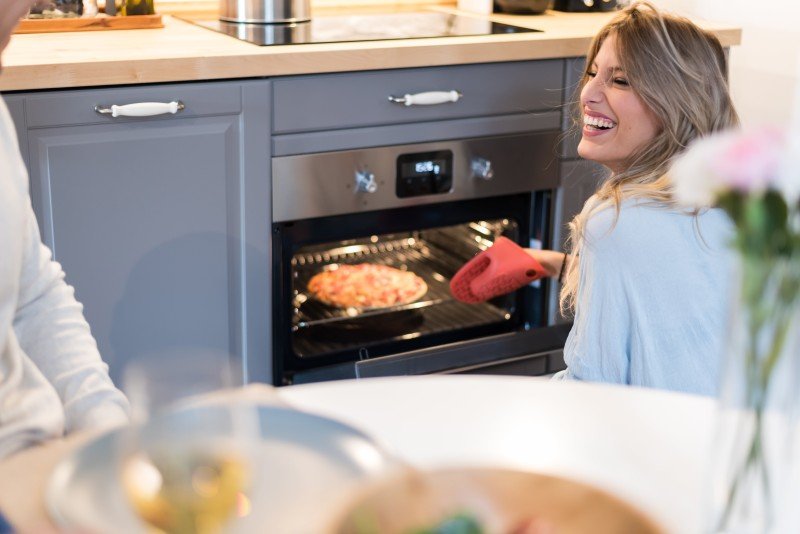
A built-in range oven, sometimes described as a wall oven or Built-in Cooker and hob built-in oven, is a kitchen home appliance integrated oven and hob electric directly into the kitchen cabinetry. Unlike freestanding designs that feature an attached cooktop, built-in ovens generally operate separately of the cooking surface area. They offer a smooth, upgraded visual to cooking areas, boosting the overall style while taking full advantage of space.
Benefits of Built-In Range Ovens
Built-in range ovens offer numerous benefits over other types of ovens:
- Aesthetic Appeal: These ovens can be created to match the kitchen cabinetry style and color, providing the kitchen an unified and contemporary look.
- Space-Saving Design: Built-in ovens maximize counter area, making them perfect for smaller cooking areas or homes with open flooring strategies.
- Versatile Cooking Options: Many built-in ovens featured a range of cooking modes such as convection, steam, and rotisserie, supplying versatility for different cooking styles.
- Enhanced Accessibility: Installed at eye level, built-in ovens can be more convenient to load and unload without bending over or crouching.
- Energy Efficiency: Many contemporary built-in ovens featured energy-saving modes that minimize electrical energy usage.
Types of Built-In Range Ovens
There are several types of built-in range ovens to think about:
1. Electric Built-In Ovens
Electric built-in ovens are powered by electrical power and built in Cooker and hob [Https://earthloveandmagic.Com/activity/p/1517502/] normally use more consistent cooking outcomes. They are simple to set up and typically featured functions such as self-cleaning choices, digital controls, and various cooking modes.
2. Gas Built-In Ovens
Gas built-in ovens use gas or propane as a fuel source. Lots of chefs prefer gas ovens for their instant heat control and ability to reach heats quickly.
3. Convection Ovens
Convection built-in ovens flow hot air with a fan to prepare food more uniformly. They can reduce cooking times and are ideal for baking and roasting.

4. Wall Ovens
Wall ovens are a specific kind of built-in range oven that is vertically set up into the wall cabinets. They can often be matched with a separate cooktop or microwave.
5. Steam Ovens
Steam-built-in ovens prepare food utilizing steam, preserving nutrients and tastes. They are exceptional for health-conscious cooking and can likewise be used for reheating.
| Type | Key Features | Ideal For |
|---|---|---|
| Electric | Constant cooking, self-cleaning | Baking and everyday cooking |
| Gas | Immediate heat control | Precision cooking, high heat |
| Convection | Hot air circulation | Baking and roasting |
| Wall | Vertical setup | Space-saving kitchen designs |
| Steam | Nutrient preservation | Health-conscious cooking |
Secret Features to Consider
When selecting a built-in range oven, think about the following functions:
1. Size and Capacity
Step the installation space carefully to select the right size. Built-in ovens generally are available in basic sizes, such as 24″, 27″, or 30″. Capability also matters; larger ovens can accommodate more meals, making them ideal for families or those who often captivate.
2. Cooking Modes and Functions
Different built-in ovens use a range of cooking modes. Look for options like:
- Conventional baking
- Convection baking
- Broiling
- Roasting
- Steaming
3. Controls and Smart Features
Modern built-in ovens frequently come with digital controls or smart functions that enable accurate temperature level changes and cooking times. Some designs are geared up with Wi-Fi capabilities for remote operation by means of an app.
4. Design and Finish
Pick a style that matches your kitchen visual appeals. Available finishes include stainless steel, black, white, or custom-made cabinetry panel-ready designs to seamlessly blend with the kitchen design.
5. Self-Cleaning Options
Lots of built-in ovens offer self-cleaning functions that simplify upkeep. This can save effort and time in keeping the home appliance in ideal condition.
Setup Guidelines
Setting up a built-in range oven needs consideration for ventilation, electrical supply, and correct measurements. Here is a streamlined setup process:
- Preparation: Measure the space and ensure adequate clearance for door and drawer operation.
- Electrical and Gas Connections: Ensure your home has the needed electrical supply or gas lines. It’s advisable to have a certified expert manage gas connections or complex electrical setups.
- Ventilation: Some ovens might need external ventilation. Make sure the kitchen design accommodates proper air blood circulation.
- Placement: Mount the oven firmly within the kitchen cabinetry, following the producer’s directions to avoid getting too hot or inadequate support.
Regularly Asked Questions (FAQs)
1. What’s the difference in between a built-in oven and a freestanding oven?
Built-in ovens are installed into the cabinets and do not feature a cooktop, while freestanding ovens are self-contained with an integrated electric ovens cooktop. Built-ins generally provide a more streamlined look however may take more effort to install.
2. Are built-in range ovens energy-efficient?
Yes, numerous modern built-in range ovens are developed to be energy-efficient, including energy-saving modes and better insulation compared to older designs.
3. Just how much do built-in range ovens cost?
Costs for built-in range ovens can range commonly based on brand, functions, and size. Fundamental designs can begin around ₤ 800, while high-end designs can exceed ₤ 3,000.
4. Can I set up a built-in oven myself?
While some handy house owners may try installation, it is typically best to employ an expert to guarantee security and compliance with building regulations, specifically for gas connections.
A built In range-in range oven can significantly improve a kitchen’s performance and looks. With a variety of options, functions, and designs, house owners have the opportunity to pick a system that meets their cooking needs while making sure a seamless style. Investing in a premium built-in range oven can help elevate cooking experiences, leading the way for delicious meals and remarkable events. When thinking about a brand-new build or a renovation, integrating a built-in range oven is a wise decision for contemporary cooking areas.