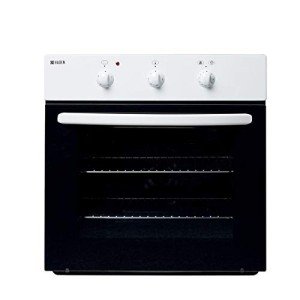
Integrated Cookers
Add a review FollowOverview
-
Founded Date November 21, 1950
-
Sectors HR Management
-
Posted Jobs 0
-
Viewed 31

Company Description
You’ll Be Unable To Guess Built In Electric Oven’s Benefits
The Comprehensive Guide to Built-in Electric Ovens and Hobs
In today’s busy world, modern-day kitchen appliances have evolved dramatically to cater to the tastes and requirements of modern property owners. Amongst these appliances, built-in electric ovens and hobs stick out for their effectiveness, style, and performance. This post checks out the functions, advantages, installation pointers, and upkeep of built-in electric ovens and hobs, along with resolving frequently asked questions.
Understanding Built-in Electric Ovens
What Is a Built-in Electric Oven?
A built-in electric oven is a home appliance developed to be set up into a wall or kitchen cabinetry, offering a seamless, integrated range cooker appearance in the kitchen. Unlike freestanding ovens, built-in models conserve area and frequently come geared up with additional features such as self-cleaning cycles, convection cooking, and various cooking modes.
Kinds Of Built-in Electric Ovens
- Single Ovens: Ideal for smaller sized cooking areas or those who cook for less people.
- Double Ovens: Offer more cooking space, appropriate for bigger households or those who captivate often.
- Combination Ovens: These include both a standard oven and a microwave, supplying versatile cooking options.
Advantages of Built-in Electric Ovens
| Benefit | Description |
|---|---|
| Space-Saving Design | Fits effortlessly into cabinetry, maximizing counter space. |
| Enhanced Aesthetics | Creates a modern-day, expert kitchen look. |
| Versatile Cooking Options | Frequently features several cooking modes including bake, broil, and convection. |
| Energy Efficient | Takes in less energy than traditional ovens. |
Comprehending Built-in Hobs
What Is a Built-in Hob?
A built-in hob is a cooking surface area installed into the kitchen countertop, integrating flawlessly with the kitchen style. Available in electric, induction, and gas varieties, electric hobs are renowned for their precision and ease of use.
Types of Built-in Hobs
- Electric Hobs: Traditional coil components that heat via electrical resistance.
- Induction Hobs: Use magnetic energy to heat just the pots and pans, making them quicker and much safer.
- Ceramic Hobs: Feature a smooth surface with glowing heat underneath, offering easy cleansing.
Benefits of Built-in Hobs
| Advantage | Description |
|---|---|
| Fast Cooking Times | integrated electric oven and hob hobs heat rapidly, lowering general cooking time. |
| Easy to Clean | Flat surface area permits quick and straightforward cleansing. |
| Long lasting | Traditionally built to last and endure high temperature levels. |
| Versatile Compatibility | Functions well with different pots and pans materials. |
Setup Considerations
Setting up a built-in electric oven and hob requires mindful planning.
Steps for Installation
- Measure the Space: Ensure the measurements of the oven and hob match the allocated area in your kitchen.
- Check Electrical Requirements: Consult an electrician to ensure circuitry can manage the appliance’s power needs.
- Placement of Appliances: Position the oven at a hassle-free height, generally between waist and eye level.
- Ventilation: Ensure appropriate ventilation, specifically if your oven includes a range hood.
Important Tools
- Power drill
- Screwdrivers
- Level
- Determining tape
Security Precautions
- Always detach the power before setup.
- Follow producer instructions carefully.
- Think about employing an expert for electrical connections.
Upkeep Tips
Maintaining built-in electric ovens and hobs is essential for longevity and performance.
Regular Care Routine
- Cleaning up the Surface: Use a soft fabric and manufacturer-recommended cleaner.
- Checking Electrical Connections: Check cables and plug for damages occasionally.
- Cleaning up Filters: If the oven has a ventilator, tidy or change the filters as required.
Fixing Common Issues
| Problem | Possible Solution |
|---|---|
| Oven Won’t Heat | Inspect the power supply and heating aspect. |
| Heating Inconsistency | Check the thermostat and oven calibration. |
| Hob Not Heating | Guarantee pots and pans works and check the power supply. |
Often Asked Questions
1. How do I pick the ideal size built-in electric oven?
Selecting the right size includes determining your kitchen space and thinking about just how much cooking you generally do. If you entertain frequently or have a large household, choose for a double cheap integrated oven.
2. Are built-in electric hobs safe to utilize?
Yes, built-in electric hobs are safe, particularly induction hobs which just warm the pots and pans, lowering the danger of burns.
3. Can I install a built-in oven and hob myself?
While it is possible for skilled DIY enthusiasts, hiring a professional is advised, especially for the electrical connections.
4. How typically should I clean my built-in oven and hob?
Cleaning up must be done routinely after use, with deep cleansing intervals depending upon cooking frequency – usually every couple of months.
5. Do Built In Electric Oven-in appliances need special maintenance?
Built-in appliances need comparable upkeep to freestanding models, but appropriate care must be taken with their surrounding cabinetry.
Built-in electric ovens and hobs present a combination of innovation and design, providing performance and contemporary looks to any kitchen. With appropriate choice, cautious installation, and routine maintenance, these appliances can enhance one’s cooking experience for several years. Understanding the functions, benefits, and care requirements can empower homeowners to produce the kitchen of their dreams– effectively and stylishly.
As kitchens continue to evolve into central hubs of the home, selecting the best built-in services plays a crucial function in day-to-day cooking imagination and pleasure.