

Amazonaws
Add a review FollowOverview
-
Founded Date October 12, 1974
-
Sectors HR Management
-
Posted Jobs 0
-
Viewed 1803

Company Description
It depends entirely on your needs.
Of course! Here is a blog post based on the topic “Do those translation earbuds really work?”
Lost in Translation No More? We Tried Those Futuristic Earbuds to See if They Really Work
You’ve seen them in sci-fi movies for decades. Two people from opposite ends of the galaxy meet, pop in a tiny earpiece, and converse seamlessly as if they both grew up on the same street. For years, this was pure fantasy.
But scroll through your social feed today, and you’ll see ads for them everywhere: real-time translation earbuds. Brands like Google, Timekettle, and others promise to break down language barriers with the simple tap of an earpiece. It sounds like magic.
But do they actually work? Or are they just another piece of overhyped tech?
I got my hands on a pair to find out. After weeks of testing—in cafes, on phone calls, and in crowded rooms—I’m here to give you the real, unvarnished truth.
The Promise vs. The Reality
First, let’s clarify what these earbuds actually do. They are not mystical Babel Fish that perfectly decode any language directly in your brain. At their core, they are a sophisticated three-part system:
- A microphone to capture spoken words.
- A smartphone app that uses powerful AI (like Google Translate or ChatGPT) to transcribe and translate that speech at lightning speed.
- A speaker in your ear that plays the translated audio.
The promise is a natural, flowing conversation. The reality is… a little more complicated, but still incredibly impressive.
The Good: When They Feel Like Pure Magic
There are moments when this technology will genuinely blow your mind.
-
One-on-One Conversations: This is their sweet spot. Sitting across from someone, you can have a slow but functional conversation. You speak in English, they hear it in Spanish (or Mandarin, or French) through their earpiece. They reply, and you hear it in English. The delay is usually just a second or two. For asking for directions, ordering food, or having a simple chat with a new friend, it’s revolutionary.
-
Voice Call Translation: Some models excel at translating phone calls. If you need to call a restaurant in Tokyo to make a reservation, the earbuds can translate both sides of the call in near real-time. This is a killer feature that feels incredibly useful.
-
The “Wow” Factor: Let’s be honest, even with hiccups, the simple act of making it work feels like you’re living in the future. The first time you successfully communicate a complex thought to someone without a shared language is a thrilling experience.
The Not-So-Good: The Limitations You Need to Know
This isn’t perfect technology. Here’s where it struggles:
-
Background Noise is the Kryptonite: Try to use these in a noisy bar or a bustling train station, and the accuracy plummets. The microphone picks up all the ambient sound, and the AI struggles to isolate the speaker’s voice. For best ai translation earbuds 2026 results, you need a relatively quiet environment.
-
It’s Not a Human Translator: AI translation has come a long way, but it still lacks nuance, cultural context, and tone. It can sometimes translate things too literally, leading to awkward or confusing sentences. You wouldn’t use it to negotiate a business contract or understand delicate poetry.
-
The Conversation is… Robotic: There’s a natural rhythm to human conversation—pauses, interruptions, laughter. Translation earbuds break this rhythm. You have to speak in complete sentences, wait for the translation to play for the other person, then wait for their reply to be translated for you. It feels more like a walkie-talkie conversation than a natural chat.
-
Battery and Data Drain: The heavy lifting is done by your phone, so these processes can drain your battery and gobble up mobile data quickly if you’re not on Wi-Fi.
The Verdict: So, Should You Buy Them?
It depends entirely on your needs.
-
For a tourist or casual traveler, they can be an absolute game-changer. They reduce anxiety, help you navigate, and allow for basic human connection where there was none before. They are a fantastic supplement to knowing a few key phrases and using a traditional translation app.
-
For business or nuanced critical communication, they are not a replacement for a professional human translator. The risk of error is still too high for high-stakes situations.
Think of them less as a perfect universal translator and more as an incredibly advanced, voice-activated phrasebook. They are a powerful tool for bridging gaps, not for erasing them completely.
The Final Word
Do translation earbuds really work? Yes, they do. But with caveats.
The technology is real and it’s functional, sometimes breathtakingly so. It’s just not the flawless, telepathic experience sold in movie trailers. It’s a rapidly evolving tool that gets better with every software update.
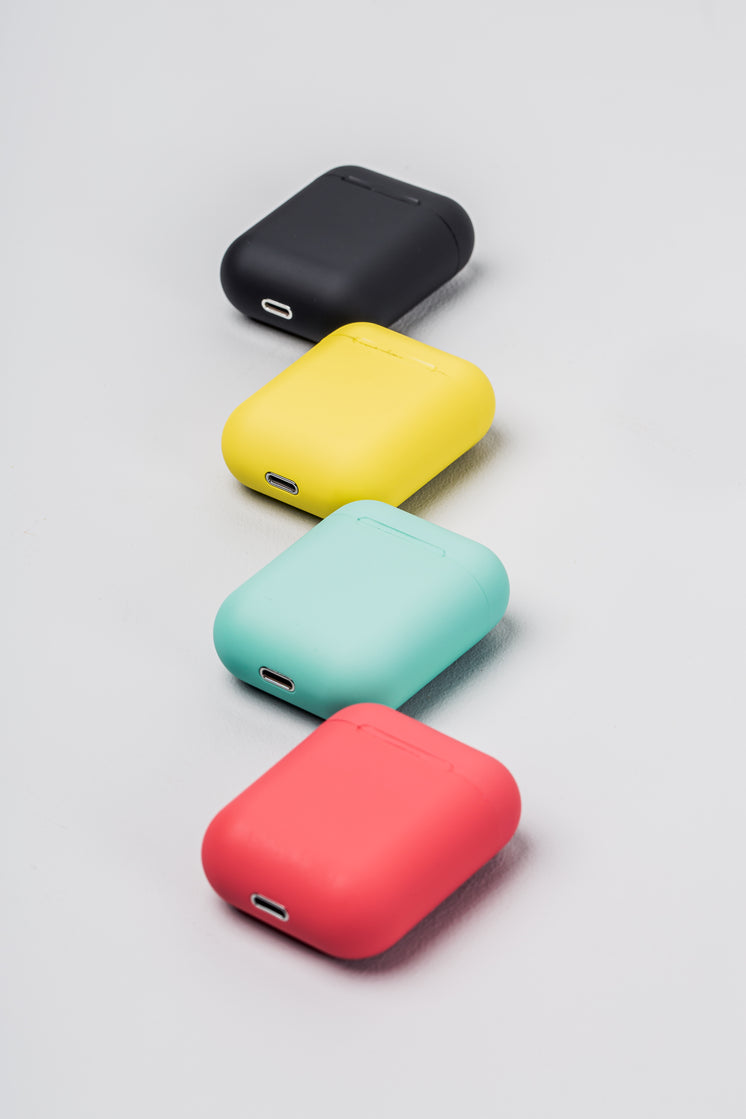
If you’re someone who loves tech and adventures abroad, a pair of these earbuds might be one of the most exciting gadgets you buy this year. Just manage your expectations, speak clearly, and remember—sometimes a smile and a friendly gesture translate better than any AI ever could.
Have you tried translation earbuds? What was your experience like? Share your stories in the comments below!