

Buy Fireplace Uk
Add a review FollowOverview
-
Founded Date December 15, 2025
-
Sectors Health
-
Posted Jobs 0
-
Viewed 18

Company Description
Guide To Fireplace Styles: The Intermediate Guide For Fireplace Styles
The Diverse World of Fireplace Styles: A Complete Guide
Fireplaces have actually long been a central feature in homes, serving both practical and visual functions. They offer warmth, produce a cozy environment, and function as an architectural centerpiece in a space. With an abundant history that spans various cultures and durations, fireplaces come in various styles, each showing special qualities and preferences. This short article explores the various kinds of fireplace styles, their design aspects, setup factors to consider, and maintenance suggestions.
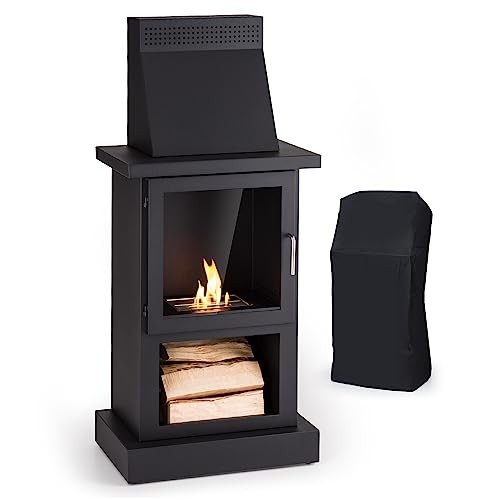
Summary of Fireplace Styles
From traditional wood-burning ranges to modern gas fireplaces, the market offers a wide range of styles to fit varied tastes and home visual appeals. Below is a table summarizing some common fireplace styles:
| Fireplace Style | Secret Features | Best Suited For |
|---|---|---|
| Traditional | Brick or stone products, large mantels, classic designs | Timeless or rustic homes |
| Modern | Smooth lines, minimalistic styles, glass or metal materials | Contemporary interiors |
| Rustic | Masonry, rough-hewn materials, natural finishes | Mountain or cabin-style homes |
| Traditional Wood-Burning | Open firebox, chimney flue, needs wood fuel | Homes with ample space |
| Gas Fireplace | Easy to use, vented or vent-free options | Any home, specifically metropolitan |
| Electric Fireplace | Plug-in benefit, sensible flame effects | Apartment or condos or homes without a direct vent |
| Corner Fireplace | Positioned in corners to save space, typically angled | Smaller living-room |
| Two-Sided Fireplace | Visible from more than one room, typically utilized in open plans | Large or open-concept spaces |
| Outdoor Fireplace | Stone, brick, or concrete construction, typically equipped with seating | Patios, gardens, yards |
Types of Fireplaces
1. Traditional Fireplaces
Traditional fireplaces are typically made from masonry materials such as brick or stone. They normally feature a prominent mantel and solid chimneys. These fireplaces create a welcoming, warm atmosphere and are best matched for homes with a timeless or rustic style.
2. Modern Fireplaces
On the other hand, modern fireplaces emphasize streamlined lines and minimalistic styles. Construction products like glass and metal prevail, allowing them to mix perfectly into contemporary interiors. These fireplaces frequently feature concealed vents or no noticeable log stacks.
3. Rustic Fireplaces
Rustic fireplaces stimulate a sense of comfort and connection to nature. They typically feature rough-hewn materials, such as reclaimed wood or natural stone. These designs are frequently discovered in mountain cabins or rural homes where nature-inspired themes rule supreme.
4. Traditional Wood-Burning Fireplaces
This traditional style requires logs as fuel and typically includes a large firebox and a chimney flue. While they supply authentic heat and ambiance, they require more upkeep and are generally best for houses with adequate space and proper ventilation.
5. Gas Fireplaces
Gas fireplaces are significantly popular due to their convenience and ease of use. They can be vented through exterior walls or left vent-free, permitting versatility in setup. They provide immediate heat and a sensible flame, ideal for different home styles.
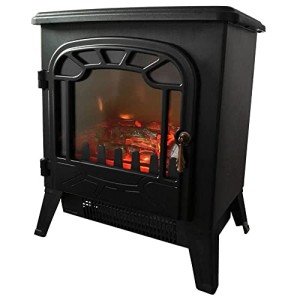
6. Electric Fireplaces
For those searching for a simple and low-maintenance option, electric fireplaces are an outstanding service. They can be just plugged in and typically feature realistic flame results. Electric fireplaces are particularly useful in houses or homes without existing ventilation systems.
7. Corner Fireplaces
Corner fireplaces are developed to fit snugly into a room’s corner, making them a perfect option for smaller sized spaces. They can be wood or gas burning and aid optimize living area while still providing heat and design.
8. Two-Sided Fireplaces
Perfect for open flooring strategies, two-sided fireplaces enable visibility and heat to flow in between 2 rooms. They foster connection within a home and typically serve as special style functions.
9. Outdoor Fireplaces
Outdoor fireplaces create extra living area outside, functioning as a celebration spot. These fireplaces can be made from stone or brick and may include integrated seating locations for a boosted outdoor experience.
Advantages of Having a Fireplace
- Visual Appeal: Fireplaces act as focal points in spaces, using visual warmth and boosting decor.
- Increased Property Value: Homes with fireplaces frequently have higher resale values, specifically in cooler climates.
- Comfort and Warmth: A fireplace supplies a cozy atmosphere, acting as a heating source on cold days.
- Social Interaction: Fireplaces develop inviting areas for gatherings and household time.
Maintenance Considerations
Correct upkeep is vital to keep any fireplace in working order. Below are basic upkeep tips resources for different fireplace styles:
- Regular Cleaning: Fireplaces ought to be cleaned up frequently, with soot and ash removed to prevent accumulation.
- Chimney Inspection: Have chimneys inspected yearly to avoid clogs and guarantee they function properly.
- Fuel Management: Use proper fuel types for wood-burning or gas fireplaces, and save them effectively.
- Look for Damage: Regularly check for any signs of wear and tear, such as cracks or warping, specifically in masonry fireplaces.
- Professional Servicing: Hire professionals for substantial repairs or substantial upkeep tasks.
Frequently asked questions
1. What type of fireplace is best for a small area?
Electric and corner fireplaces are perfect for small areas, providing heat without requiring comprehensive installation.
2. Are gas fireplaces safe?
Yes, gas fireplaces are safe when set up and preserved correctly. It is important to guarantee appropriate ventilation and follow installation standards.
3. Can I set up a fireplace myself?
While basic electric fireplaces can be installed by the house owner, the majority of traditional or gas fireplaces should be installed by a professional to guarantee safety and compliance with structure codes.
4. How frequently should I clean my chimney?
Chimneys need to preferably be checked and cleaned at least as soon as a year, specifically if you utilize your fireplace routinely.
5. Do electric fireplaces produce real heat?
While electric fireplaces simulate the look of flames, they also generate heat through electric coils, offering heat similar to traditional systems.
Fireplaces function as more than simply a source of heat; they play an important function in home style and atmosphere. With numerous styles available, property owners can pick an area and design that match their individual preferences and home environment. Comprehending the numerous types of fireplaces and their benefits can help individuals make notified decisions about their setup, upkeep, and usage.