

Chimney Cooker Hood
Add a review FollowOverview
-
Founded Date October 5, 1968
-
Sectors Health
-
Posted Jobs 0
-
Viewed 21

Company Description
20 Up-And-Comers To Watch In The Cooker Hood Extractor Fan Industry
The Essential Guide to Cooker Hood Extractor Fans
In any modern kitchen, a cooker hood extractor fan serves not simply a functional function, however also includes style and visual attract the cooking area. These devices are created to get rid of smoke, steam, and odors while cooking, guaranteeing a more enjoyable and much healthier environment. This thorough guide will check out everything you require to understand about cooker hood extractor fans, including their types, setup, maintenance, and often asked questions.
Tabulation
- What is a Cooker Hood Extractor Fan?
- Types of Cooker Hood Extractor Fans
- 2.1 Wall-mounted Hoods
- 2.2 Under-cabinet Hoods
- 2.3 Island Hoods
- 2.4 Downdraft Hoods
- Key Considerations Before Purchase
- Setup Process
- Upkeep Tips
- Benefits of Using a Cooker Hood Extractor Fan
- FAQs
- Conclusion
1. What is a Cooker Hood Extractor Fan?
A cooker hood extractor fan is a device installed above the cooking location to filter airborne grease, smoke, steam, and smells created while cooking. These fans either vent air exterior (extraction) or filter air and recirculate it back into the kitchen (recirculation). The option of design depends largely on kitchen design, cooking routines, and ventilation needs.
2. Kinds Of Cooker Hood Extractor Fans
Understanding the various types of cooker hood extractor fans can help one pick the best one for their kitchen setup.
| Type | Description | Pros | Cons |
|---|---|---|---|
| Wall-mounted Hoods | Set up against a wall, these are available in numerous styles and sizes. | Space-saving, stylish designs available. | May block upper cabinets. |
| Under-cabinet Hoods | Mounted directly under kitchen cabinets, these hoods are useful for compact spaces. | Does not take extra area; effective suction. | Limited capability for high-output cooking. |
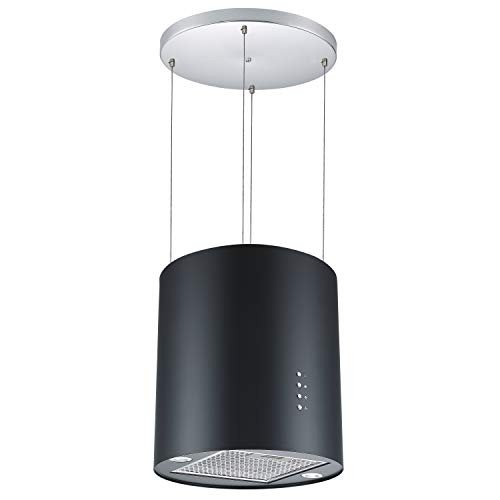
| Island Hoods | Suspended above kitchen islands, these hoods frequently include a more decorative style. | Supplies a focal point in open kitchens. | Requires correct ceiling height for setup. |
| Downdraft Hoods | Created to increase from the countertop when needed and retracts back when not in use. | Smooth design; suitable for islands. | More pricey; needs mindful setup. |
3. Key Considerations Before Purchase
When looking for a cooker hood extractor fan, numerous factors ought to be thought about:
- Size: Ensure the hood is large enough to cover the cooking surface adequately.
- CFM Rating (Cubic Feet per Minute): This measures the airflow. Higher CFM is better for more extreme cooking.
- Noise Level: Consider the decibel level; quiet fans run listed below 60 dB.
- Venting Type: Decide between ducted (vents outside) and ductless (filters and recirculates).
- Filter Type: Options consist of charcoal, aluminum, or a mix– this affects maintenance and efficiency.
4. Installation Process
While professional installation is typically advised, standard guidelines can help property owners install their cooker hood extractor fans efficiently.
- Select the Location: The optimum height for setup above the cooking surface is usually 24 to 36 inches.
- Gather Tools: Required tools might include a drill, screwdriver, level, and measuring tape.
- Install Ductwork (if essential): For ducted systems, direct the ductwork to the outside of the home without sharp bends.
- Protect the Hood: Follow the maker’s guidelines to attach the hood securely to the wall or cabinetry.
- Connect Electricals: Make sure the electrical connections supply adequate power; seek advice from an electrical expert if uncertain.
5. Maintenance Tips
To keep a cooker hood extractor fan operating efficiently, maintenance is vital. Here are some pointers:
- Regularly Clean Filters: Depending on use, clean metal filters every 4 to 6 weeks. Charcoal filters might require replacement every 3 to 6 months.
- Clean Down Surfaces: Use mild cleaning agent and a soft fabric to clean up the outside and prevent grease buildup.
- Look for Blockages: Periodically examine ducts to make sure there are no blockages or accumulation that can hamper airflow.
6. Benefits of Using a Cooker Hood Extractor Fan
Investing in a cooker hood extractor fan includes many benefits:
- Improved Air Quality: They get rid of air-borne particles, minimizing the existence of smoke and fumes in the kitchen.
- Enhanced Cooking Experience: A well-ventilated kitchen makes cooking more pleasant and lowers remaining smells.
- Aesthetic Appeal: Available in numerous styles, they can boost the kitchen’s general style.
- Energy Efficiency: Many models are energy-efficient, conserving on energy costs if used properly.
7. FAQs
Q1: How frequently ought to I clean up the cooker hood?A1: Clean the filters every 4-6 weeks, and the exterior surface areas can be cleaned up weekly or as required. Q2: Is it necessary to have a ducted hood?A2: Ducted
hoods are often more effective since they vent air outside
, but ductless options are effective when exterior venting isn’t possible. Q3: Can I set up a hood myself?A3: While it’s possible, working with an expert guarantees
correct installation, particularly
for ductwork and electrical connections. Q4: What factors affect the effectiveness of extraction?A4: Fan speed, duct length, and the presence of bends in the ductwork can all influence efficiency. Q5: Are all cooker hoods the very same size?A5: No,
cooker hoods been available in numerous sizes, and it’s necessary to choose one that covers your cooking area appropriately
. 8. Conclusion A cooker hood extractor fan is
an indispensable addition to any kitchen, integrating functionality with design. Whether you are an enthusiastic cook
or someone who
delights in event family and friends in the kitchen, investing in the best extractor fan will enhance air quality, improve cooking convenience, and raise the general kitchen experience. By considering elements such as types, upkeep, and setup, house owners can pick a model that completely matches their cooking habits and kitchen aesthetic appeals.