

Deutsch B1 Prüfung Goethe-Zertifikat Online Kaufen
Add a review FollowOverview
-
Founded Date September 3, 1986
-
Sectors Health
-
Posted Jobs 0
-
Viewed 34

Company Description
5 Laws Everyone Working In Official Goethe B1 Test Should Be Aware Of
Official Goethe B1 Test: Your Comprehensive Guide
The Goethe B1 Test, a critical evaluation for students of the German language, signifies that a person has achieved an intermediate level of proficiency as acknowledged by the Common European Framework of Reference for Languages (CEFR). This blog post intends to provide a comprehensive summary of the Goethe B1 Test, including its structure, format, and preparation suggestions, as well as FAQs to address typical questions about the assessment.
What is the Goethe B1 Test?
The Goethe B1 Test is designed to assess a candidate’s ability to understand and use daily German in various contexts. This consists of reading, composing, speaking, and listening skills in circumstances varying from everyday interactions to more structured circumstances, such as work and travel.
Secret Features of the Goethe B1 Test:
- Certification: Successful conclusion of the B1 Test makes a Goethe Certificate, a worldwide acknowledged credential that can enhance scholastic and professional opportunities.
- Credibility: The certificate stands indefinitely, making it a valuable addition to one’s language certifications.
- Prerequisite for Advanced Levels: Achieving a B1 certification is often a requirement for registering in higher-level German courses or programs.
Structure of the Goethe B1 Test
The Goethe B1 Test consists of four elements, each targeted at evaluating unique skills:
| Component | Duration | Format | Abilities Evaluated |
|---|---|---|---|
| Listening | Thirty minutes | Multiple-choice & & gap-fill exercises | Understanding of spoken German in numerous contexts |
| Reading | 65 minutes | Multiple-choice, gap-fill, & & true/false workouts | Comprehending composed texts such as articles and dialogues |
| Composing | Thirty minutes | Written composition | Ability to write short texts, such as letters and emails |
| Speaking | 15 minutes | In person interview | Oral communication abilities, including conversation and description |
Detailed Overview of Each Component
Listening: The listening section normally includes audio recordings of discussions, monologues, or discussions. Candidates might be needed to fill in gaps in the text, answer multiple-choice questions, or match declarations to speakers.
Checking out: The reading area comprises different types of texts, ranging from informal interactions like e-mails to formal short articles. Prospects must show their capability to recognize essential details and translate context.
Writing: The writing part involves crafting coherent texts based on prompts provided. Candidates may require to compose a letter, a personal e-mail, or a quick report, all of which should show correct structure and design.
Speaking: In the speaking assessment, prospects engage in a structured discussion with an inspector. This part frequently consists of reacting to concerns, explaining images, or talking about personal experiences.
Preparation Strategies for the Goethe B1 Test
Preparing for the Goethe B1 Test requires a tactical method, making use of a variety of resources to construct and strengthen language skills. Below are some reliable strategies to assist candidates prepare:
1. Understand the Test Format
Familiarizing oneself with the test format is important. Reviewing sample documents and practice exams can significantly lower stress and anxiety on test day and enhance performance.
2. Build Vocabulary and Grammar
A strong vocabulary and grasp of grammar are essential for success. Candidates must concentrate on:
- Common everyday phrases
- Vocabulary related to particular subjects (e.g., work, travel, education)
- Grammar structures typically utilized at the B1 level
3. Practice Listening Skills
Listening skills can be enhanced through:
- Engaging with German music, podcasts, and movies
- Taking part in language exchange programs
- Finishing online listening exercises
4. Check out Regularly
Consistent reading of German texts, such as news short articles, blog sites, and narratives, will assist candidates:
- Improve comprehension abilities
- Differentiate in between official and casual language designs
- Get brand-new vocabulary in context
5. Compose Daily
Candidates must practice writing by:
- Keeping a journal in German
- Writing letters or e-mails to friends as practice
- Completing composing triggers to reinforce structure skills
6. Join a Language Class or Group
Joining a class or study group can supply extra support. Prospects can benefit from:
- Structured finding out guided by a teacher
- Opportunities for speaking practice with peers
- Collective study methods
Often Asked Questions (FAQ)
1. What materials are suggested for studying for the Goethe B1 Test?
Advised materials include:
- Goethe Institute B1 preparation books
- Online practice examinations
- Language knowing apps (e.g., Duolingo, Deutsches Sprachdiplom Babbel)
- German-speaking podcasts and news sites
2. How can I sign up for the Goethe B1 Test?
Prospects can sign up through the Goethe Institute website or their local Goethe Institute branch. It’s suggested to register well beforehand to protect a spot.
3. What is the cost of the Goethe B1 Test?
The cost of the screening varies by location, usually varying from EUR120 to EUR200. Candidates should consult their regional Goethe Institute for accurate prices.
4. For how long does it require to receive the test results?
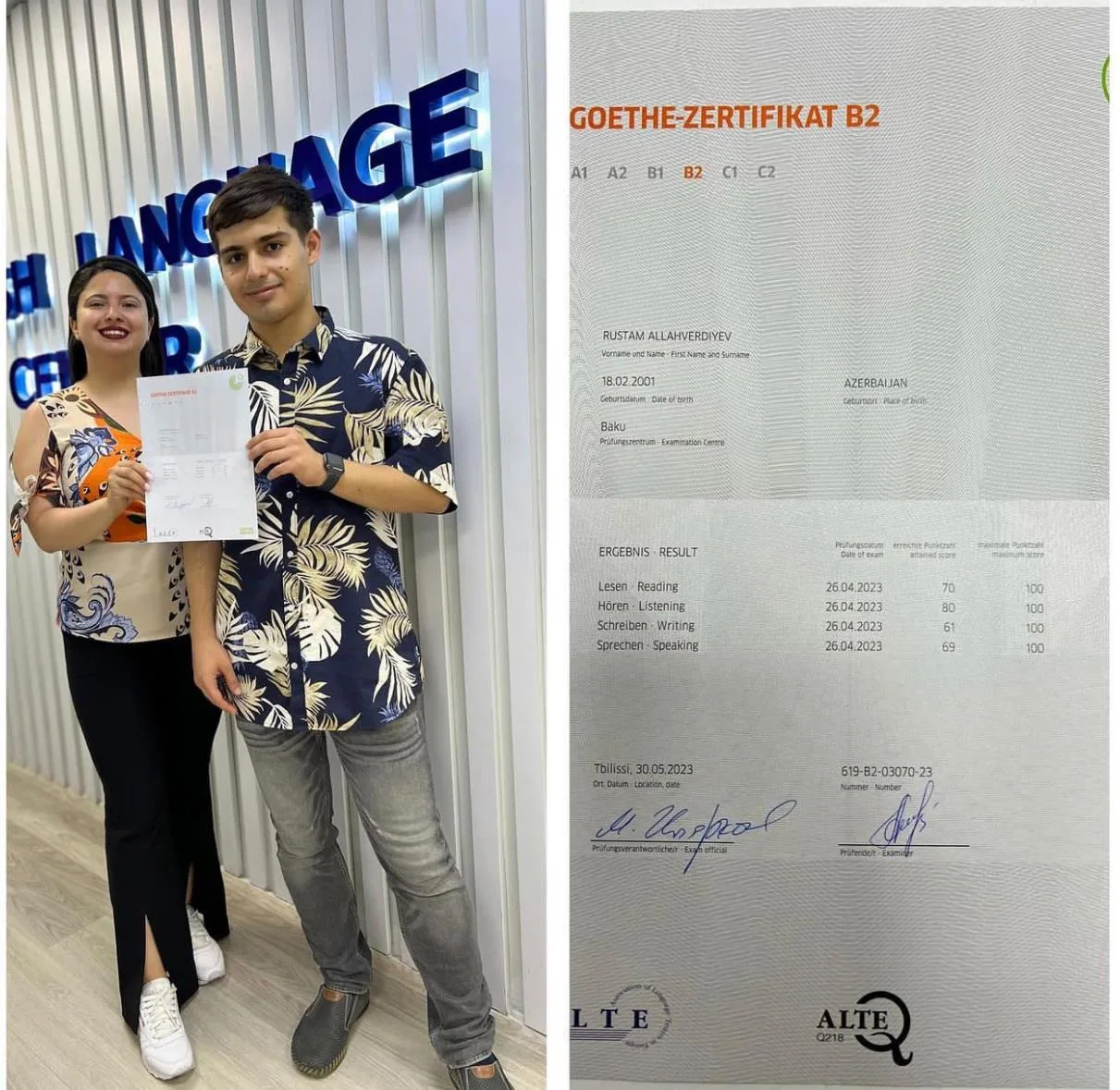
Test results are typically offered within 6 weeks of the assessment date. Prospects will get a certificate detailing their performance in each component.
5. What should I do if I do not pass the exam?
If a candidate does not pass the exam, it’s essential to assess which areas need enhancement. They can then retake the test after further preparation, as numerous effective candidates require multiple efforts to attain their preferred outcomes.
The Goethe B1 Test is a significant action for anyone wanting to showcase their German language efficiency at an intermediate level. Comprehending the test’s structure, preparing accordingly, and making use of the right resources can considerably boost one’s opportunities of success. With thorough study and practice, prospects can navigate the obstacles of the B1 Test and proudly achieve their certification.