England Nhs
Add a review FollowOverview
-
Founded Date November 8, 1905
-
Sectors Health
-
Posted Jobs 0
-
Viewed 1011

Company Description
NHS: A Universal Embrace

In the sterile corridors of Birmingham Women’s and Children’s NHS Foundation Trust, a young man named James Stokes moves with quiet purpose. His smart shoes barely make a sound as he acknowledges colleagues—some by name, others with the comfortable currency of a “hello there.”
James carries his identification not merely as a security requirement but as a declaration of inclusion. It hangs against a well-maintained uniform that gives no indication of the challenging road that preceded his arrival.
What separates James from many of his colleagues is not visible on the surface. His presence gives away nothing of the fact that he was among the first participants of the NHS Universal Family Programme—an effort designed specifically for young people who have experienced life in local authority care.
“It felt like the NHS was putting its arm around me,” James says, his voice measured but tinged with emotion. His statement encapsulates the core of a programme that aims to reinvent how the massive healthcare system approaches care leavers—those frequently marginalized young people aged 16-25 who have transitioned from the care system.
The figures paint a stark picture. Care leavers commonly experience higher rates of mental health issues, money troubles, shelter insecurities, and diminished educational achievements compared to their peers. Behind these cold statistics are human stories of young people who have traversed a system that, despite best intentions, often falls short in delivering the nurturing environment that molds most young lives.
The NHS Universal Family Programme, launched in January 2023 following NHS England’s pledge to the Care Leaver Covenant, signifies a significant change in systemic approach. At its heart, it recognizes that the complete state and civil society should function as a “communal support system” for those who haven’t known the stability of a typical domestic environment.
Ten pathfinder integrated care boards across England have charted the course, developing frameworks that reconceptualize how the NHS—one of Europe’s largest employers—can extend opportunities to care leavers.
The Programme is meticulous in its methodology, beginning with thorough assessments of existing practices, establishing management frameworks, and securing senior buy-in. It acknowledges that successful integration requires more than noble aims—it demands concrete steps.
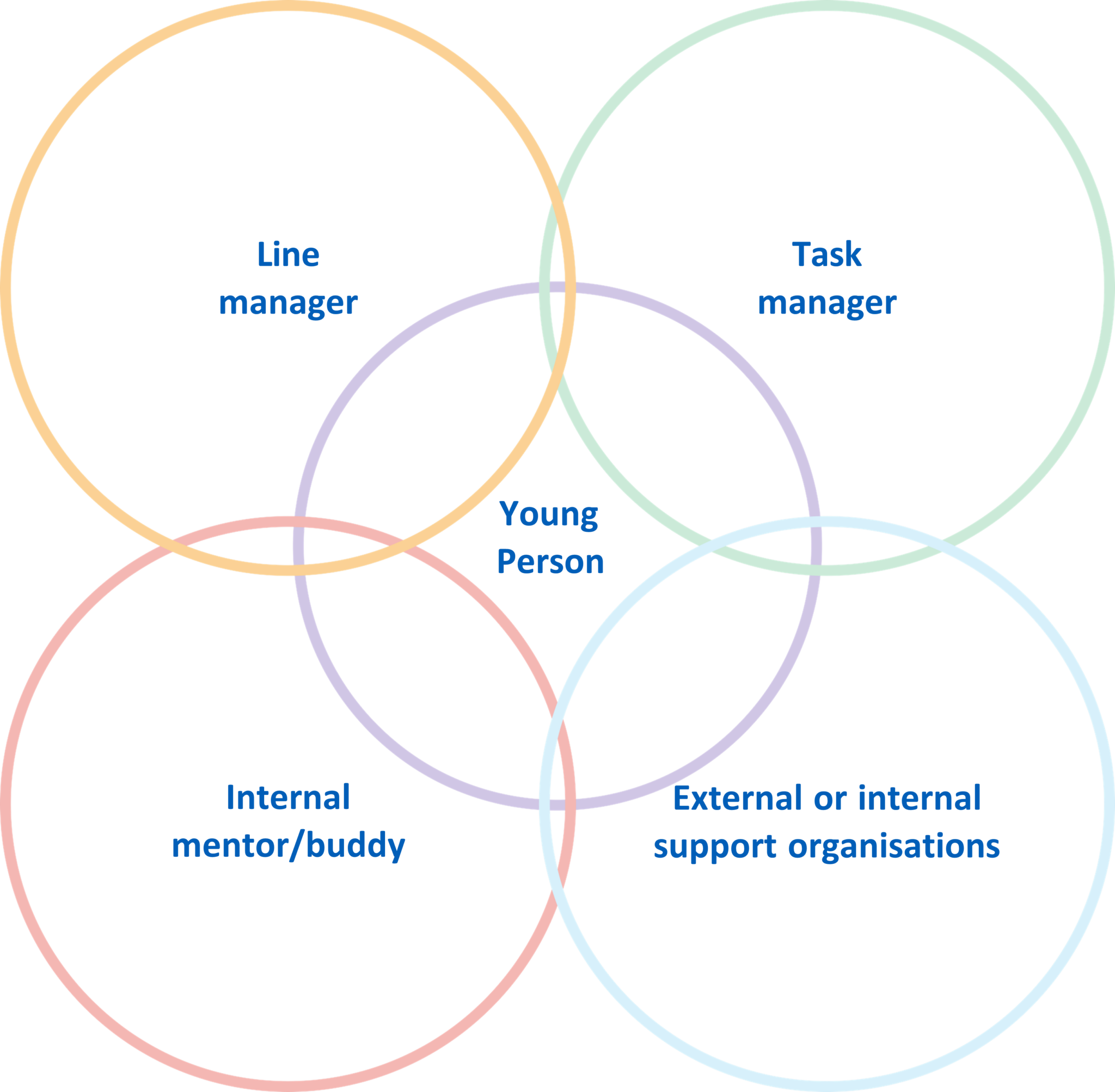
In NHS Birmingham and Solihull ICB, where James began his journey, they’ve developed a regular internal communication network with representatives who can deliver assistance and counsel on wellbeing, HR matters, recruitment, and equality, diversity, and inclusion.
The traditional NHS recruitment process—formal and potentially intimidating—has been carefully modified. Job advertisements now emphasize personal qualities rather than extensive qualifications. Application processes have been reimagined to consider the unique challenges care leavers might experience—from not having work-related contacts to having limited internet access.
Maybe most importantly, the Programme understands that beginning employment can present unique challenges for care leavers who may be managing independent living without the support of familial aid. Matters like travel expenses, identification documents, and financial services—taken for granted by many—can become major obstacles.
The elegance of the Programme lies in its thorough planning—from clarifying salary details to providing transportation assistance until that critical first salary payment. Even seemingly minor aspects like coffee breaks and workplace conduct are thoughtfully covered.
For James, whose NHS journey has “revolutionized” his life, the Programme delivered more than work. It gave him a sense of belonging—that ineffable quality that develops when someone senses worth not despite their past but because their distinct perspective improves the organization.
“Working for the NHS isn’t just about doctors and nurses,” James comments, his expression revealing the modest fulfillment of someone who has found his place. “It’s about a family of different jobs and roles, a family of people who really connect.”
The NHS Universal Family Programme exemplifies more than an employment initiative. It stands as a strong assertion that organizations can change to include those who have experienced life differently. In doing so, they not only change personal trajectories but enhance their operations through the unique perspectives that care leavers bring to the table.
As James navigates his workplace, his presence silently testifies that with the right support, care leavers can thrive in environments once deemed unattainable. The support that the NHS has extended through this Programme represents not charity but recognition of untapped potential and the essential fact that all people merit a community that champions their success.