

Fascia And Gutter Replacement
Add a review FollowOverview
-
Founded Date March 1, 2021
-
Sectors HR Management
-
Posted Jobs 0
-
Viewed 15

Company Description
The 10 Most Terrifying Things About Soffit Board Replacement
The Comprehensive Guide to Soffit Board Replacement
Soffit board replacement is a vital part of home maintenance that numerous property owners overlook till concerns emerge. The Soffit Board Repair, which sits under the eaves of your roofing, plays a crucial function not only in enhancing your home’s aesthetic appeal however likewise in safeguarding your home from wetness intrusion and pest problems. This guide looks into the complexities of soffit board replacement, from why it is necessary to how to properly undertake this task.
What is Soffit?
Soffit refers to the material that covers the underside of eaves or arches in a structure. It can be found on both domestic and commercial structures and can be made from numerous products, consisting of wood, vinyl, aluminum, or fiber cement. The primary functions of soffit consist of:
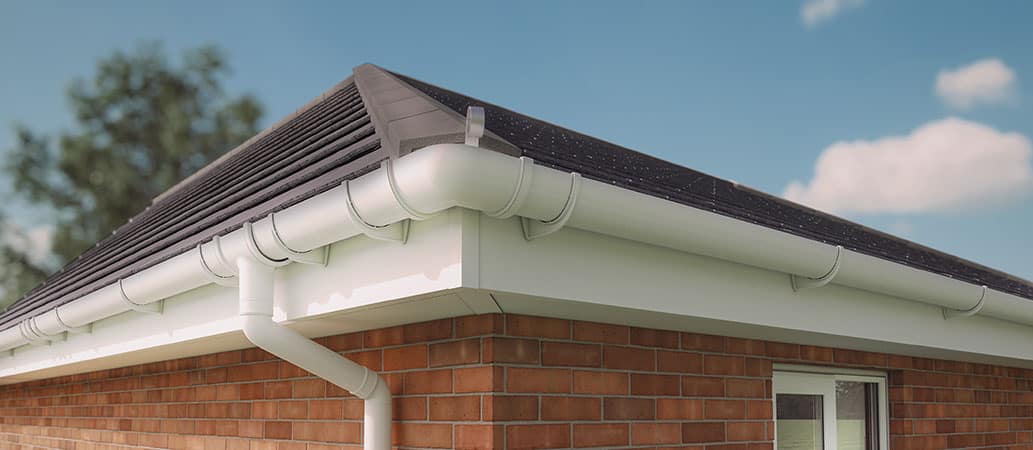
- Ventilation: It enables air to flow through the attic area, avoiding heat accumulation.
- Visual appeals: A properly maintained soffit can improve your home’s curb appeal.
- Defense: It shields rafters Fascias And Soffits other structural aspects from water damage Fascia And Soffit bugs.
| Function | Description |
|---|---|
| Ventilation | Helps with air flow to lower heat and wetness buildup in the attic. |
| Aesthetic appeals | Boosts the general look of your home’s outside. |
| Defense | Defends structural elements from wetness direct exposure and bug intrusion. |
Why Replacement is Necessary
In time, soffit boards can weaken due to weather direct exposure, insects, or simply due to age. Knowing when to change your soffit boards is crucial to keeping your home’s integrity. Common indications that it’s time for a replacement include:
- Visible Damage: Cracks, holes, or signs of rotting.
- Pest Infestation: Evidence of pests or rodents near the soffit location.
- Moisture Issues: Water damage or mold present in or around the soffit.
- Peeling Paint: In paint-based finishes, peeling can show underlying concerns.
Materials for Soffit Boards
When thinking about replacement, the choice of material plays a significant role in the longevity and look of the soffit. Here are some typical materials used for soffit boards:
| Material | Benefits | Downsides |
|---|---|---|
| Wood | Natural appearance, simple to paint or stain | Prone to rot, requires regular maintenance |
| Vinyl | Low maintenance, resistant to moisture | Minimal color options, can crack in extreme temperature levels |
| Aluminum | Durable, light-weight, non-corrosive | Can dent quickly, requires proper installation |
| Fiber Cement | Extremely long lasting, resistant to rot & & pests | Heavier installation, more pricey |
Do it yourself vs. Professional Help
Before embarking on a soffit board replacement task, property owners must consider whether to tackle it as a DIY project or hire a professional. Here are some benefits and drawbacks for each option:
DIY Replacement
Pros:
- Cost-effective since labor is not consisted of.
- Flexibility in timing and rate of work.
- Individual satisfaction of completing the task.
Cons:
- Requires a good understanding of roofing structure.
- Safety threats associated with ladder usage or dealing with roofings.
- Possibility of incorrect installation leading to future concerns.
Professional Replacement
Pros:
- Expertise ensures proper installation and quality products.
- Conserves time and decreases physical strain.
- Frequently features warranties for workmanship and products.
Cons:
- Higher costs associated with labor.
- Scheduling can be depending on contractors’ availability.
Steps for Soffit Board Replacement
If a property owner chooses to change soffit boards themselves, the following actions supply a clear guide:
-
Assess the scenario: Inspect the existing soffit boards for damage. Determine locations that need replacing.
-
Gather Materials: Decide on the material, gather tools (screwdriver, saw, determining tape, Fascia And Soffit Maintenance so on), and purchase the essential quantity of soffit boards.
-
Remove Old Soffit Boards: Carefully remove the damaged boards. Use the ladder safely and ensure all particles is gotten rid of appropriately.
-
Install New Soffit: Attach the brand-new boards to the designated area. Make certain to follow the producer’s standards for the products selected.
-
Completing Touches: Seal edges and joints as needed. Ensure proper ventilation is preserved.
-
Clean Up: Dispose of all old materials and tidy the surrounding area.
FAQ
1. How frequently should soffit boards be changed?There’s no set timeline for replacement, however checking your soffit boards every five years is a good practice. Replace them when you find substantial damage.
2. Can I paint vinyl soffit boards?Yes, while vinyl can be painted, it’s recommended to utilize 100% acrylic paint for optimum adhesion and sturdiness.
3. Is soffit board replacement a complex job?While it needs some carpentry abilities, it is workable for a lot of house owners happy to commit the time. Nevertheless, if you’re not sure, it’s best to speak with a professional.
4. What are the indications of a failing soffit?Common indications consist of visual degradation, pest activity, water discolorations, and mold growth.
5. How do I ensure ventilation after replacement?Ensure to set up aerated soffits if your attic requires airflow to avoid moisture accumulation.
Replacing soffit boards is a vital aspect of home maintenance that must not be disregarded. Whether selecting to tackle it personally or working with a contractor, understanding the materials, procedures, and signs of damage will help guarantee a successful replacement. By investing time and resources into maintaining your soffits, you are not just boosting the beauty of your home however also safeguarding its overall structural stability.