

Good Exercise Bicycle
Add a review FollowOverview
-
Founded Date December 16, 1971
-
Sectors Finance
-
Posted Jobs 0
-
Viewed 34

Company Description
10 Websites To Aid You Develop Your Knowledge About Exercise Cycles
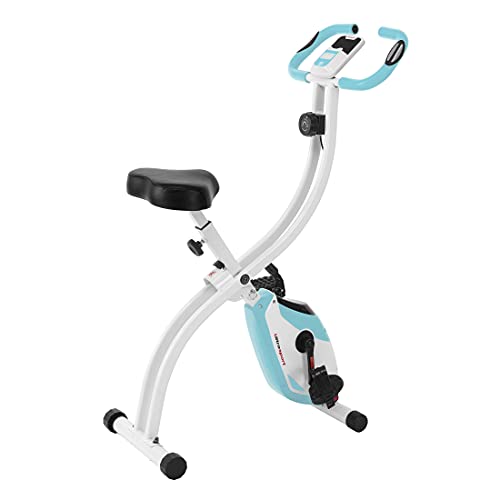
Understanding Exercise Cycles: Your Guide to Effective Workouts
Introduction
Exercise cycles, frequently described as exercise cycles or training cycles, encompass different structured strategies designed to enhance fitness and efficiency. These cycles are essential for professional athletes and fitness enthusiasts aiming to balance their training regimens efficiently, ensuring they target various fitness components while enhancing total performance. This short article will explore the various kinds of exercise cycles, the elements that define them, their advantages, and how to produce a strategy that aligns with individual fitness objectives.
What are Exercise Cycles?
Exercise cycles typically consist of distinct stages focused on specific fitness objectives, consisting of strength building, endurance, speed, or healing. These stages, when well-structured, allow individuals to accomplish peak performance while minimizing the risk of injury and overtraining.
Secret Components of Exercise Cycles
-
Periodization: This describes the methodical planning of athletic or physical training. It involves dividing a training year into specific blocks or phases to maximize performance gains while managing fatigue and recovery.
-
Stages of Training:
- Preparation Phase: Focuses on developing a structure of strength and endurance.
- Building Phase: Targets more particular strengths and endurance adaptations.
- Peak Phase: Optimizes performance and is generally approached close to competition time.
- Recovery Phase: Allows the body to recuperate, avoiding burnout and injuries.
-
Microcycles: Each training cycle is generally broken down into smaller sized cycles (microcycles), often lasting a week. These microcycles will differ in strength, volume, and specific focus.
Kinds Of Exercise Cycles
Here’s a breakdown of some commonly acknowledged exercise cycles:
1. Linear Periodization
This traditional design gradually increases intensity while decreasing volume over a training period. It is often used by professional athletes getting ready for competitions and consists of unique stages, each targeting various physical characteristics.
Benefits:
- Predictable results.
- Strong structure for newbies.
Drawbacks:
- May absence flexibility to adjust to unanticipated changes in goals or physical conditions.
2. Swelling Periodization
This design is more flexible compared to direct periodization, alternating in between various training intensities and volumes on a weekly and even daily basis.
Benefits:
- Greater variety in workouts.
- Reduced threat of plateauing.
Disadvantages:
- Requires cautious preparation to prevent overwork.
3. Block Periodization
Common in elite training protocols, block periodization divides training into unique blocks focused on particular goals, alternating between strength, hypertrophy, and endurance.
Benefits:
- Highly specific and targeted training.
- Enables maximum efficiency within brief durations.
Downsides:
- Requires substantial experience and understanding of personal limitations.
4. Conjugate Method
This approach integrates several training goals at the same time, such as strength, speed, and hypertrophy, within a single cycle.
Advantages:
- Efficient for professional athletes with multiple training needs.
- Can reduce uniformity in workouts.
Drawbacks:
- Complicated to plan efficiently.
- Risk of insufficient focus on particular areas.
Advantages of Exercise Cycles
Including exercise cycles into a training routine has several advantages:
- Improved Adaptation: Structured cycles permit the body to adapt and avoid stagnation by routinely providing brand-new challenges.
- Injury Prevention: By including healing and varied intensity, Exercise cycle for Sale (Www.fernandouvalles.top) cycles minimize the risk of overuse injuries.
- Boosted Performance: Cycles promote peak performance by permitting tactical training loads and recovery durations.
- Focused Goals: Each phase can target specific outcomes, making it possible for better tracking of progress and motivation.
How to Create an Effective Exercise Cycle
Producing an efficient exercise cycle comes down to understanding specific objectives, fitness level, and lifestyle. Below are actions to develop your cycle:

- Define Clear Goals: Whether going for weight loss, muscle gain, or enhanced endurance, clarity on goals is crucial.
- Evaluate Current Fitness Level: Take stock of your existing fitness status to produce a practical strategy.
- Select the Right Type of Cycle: Based on objectives and know-how, choose a suitable type of exercise cycle.
- Plan Phases: Outline the preparation, structure, peak, and recovery phases, with unique focus and structure for each.
- Include Variation: Regularly change workouts, strengths, and training techniques to prevent dullness and improve adaptation.
- Display Progress: Keep track of workouts and results, upgrading the strategy as needed based on effectiveness and feedback.
Frequently Asked Questions about Exercise Cycles
Q1: How often need to I change my exercise cycle?It is a good idea to revisit or change your cycle every 4-8 weeks, depending upon your progress and reaction to the program. Q2: Can beginners benefit from exercise cycles?Yes! Newbies can gain from structured cycles by slowly increasing their capabilities and focusing on fundamental skills and strength. Q3: What must I do throughout healing phases?During recovery stages, participate in lighter activities such as yoga, moderate
cardio, and extending to promote healing without intense exertion. Q4: How do I understand what type of exercise cycle to choose?It typically depends upon your experience level, primary fitness goals, and personal choices. Consulting with a fitness specialist can help customize a cycle suitable for you. Comprehending and utilizing exercise cycles can considerably boost workout effectiveness and total fitness development. By acknowledging the various kinds of cycles, their parts, and the approaches used
in planning exercises, individuals are much better equipped to attain their fitness goals while also concentrating on recovery and injury prevention. Whether one is an experienced professional athlete or a novice, exercise cycles present a structured technique that is necessary for optimizing prospective and maintaining inspiration throughout the fitness journey.