

Hobelmaschinen-Händler
Add a review FollowOverview
-
Founded Date June 19, 1947
-
Sectors Health
-
Posted Jobs 0
-
Viewed 18

Company Description
An Adventure Back In Time: What People Discussed About Planing Machines Shop 20 Years Ago
The Essential Guide to Planning Machines in a Workshop Setting
Worldwide of machining and manufacturing, planning machines stand apart as essential devices for precision work and material shaping. As markets progress, the significance of these machines continues to grow, making them an essential tool in stores varying from small workshops to massive manufacturing facilities. This blog post explores the workings, advantages, types, and upkeep of planning machines, along with a table of specs and a comprehensive FAQ section.
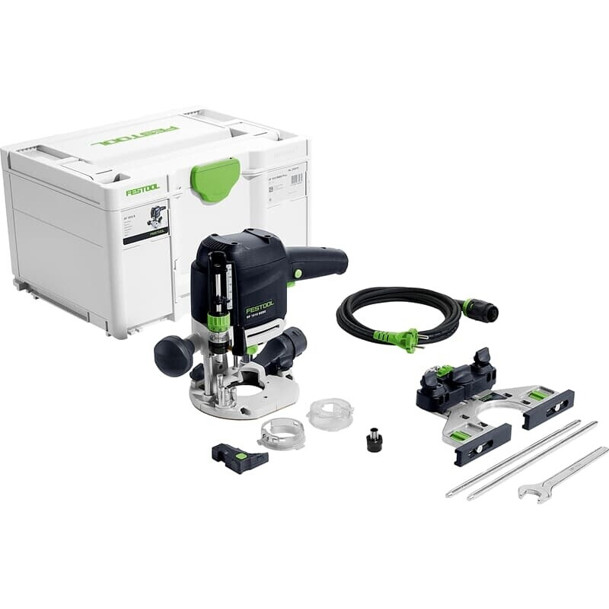
Comprehending Planning Machines
Preparation machines, typically referred to as planers, are utilized for producing flat surface areas, grooves, and profiles in metal and other products. The device works by moving a cutting tool back and forth across the workpiece while the latter remains stationary. This process enables high levels of precision and finishes that are difficult to attain with more standard machinery.
Secret Components of a Planning Machine
- Base Frame: The main structure that supports all elements.
- Cross Rail: Adjustable part that holds the cutting tool.
- Tool Head: Houses the cutting tool, which can be switched out to achieve various surfaces.
- Table: Where the workpiece is installed.
- Drive Mechanism: Powers the machine, typically an electric motor.
Advantages of Using Planning Machines
The decision to use a preparation maker in a workshop brings a wide variety of advantages, including:
- Precision: Achieves a high degree of accuracy for flat surface areas.
- Versatility: Can deal with a range of products, including metal, wood, and composite products.
- Effectiveness: Capable of dealing with big workpieces that other machines might have a hard time with.
- Finish Quality: The ended up surface often requires little to no extra finishing.
- Cost-Effectiveness: Once established, preparing machines can produce parts rapidly, lowering labor costs.
Table 1: Types of Planning Machines
| Type | Description | Typical Uses |
|---|---|---|
| Horizontal Planer | Cuts flat surfaces in a horizontal airplane | Production plates or beams |
| Vertical Planer | Cuts surfaces in a vertical plane | Creating detailed shapes |
| Universal Planer | Supplies versatility for various shapes and sizes | Customized machining applications |
| Specialized Planer | Created for specific tasks | Creates unique profiles or grooves |
Planning Machine Operation
Step-by-Step Operation Guide
- Setup: Secure the workpiece to the machine table utilizing clamps.
- Tool Selection: Choose the appropriate cutting tool for the desired finish.
- Modification: Position the cross rail and adjust tool height.
- Speed Settings: Set the needed speed for the desired cutting action.
- Engagement: Start the machine, guaranteeing the cutting tool engages gradually and steadily.
- Monitoring: Continuously observe the procedure for vibrations, heat buildup, or tool wear.
- Ending up Up: Once the preferred depth and finish are achieved, stop the device and remove the workpiece.
Upkeep Tips for Planning Machines
To make sure the durability and effective efficiency of preparing machines, routine upkeep is required. Here are some crucial tips:
- Regular Lubrication: Keep the maker’s moving parts lubed.
- Periodic Inspection: Check for wear and tear on the cutting tools and machine components.
- Cleaning up: Regularly tidy the machine to eliminate particles and metal shavings.
- Calibration: Routinely calibrate the device to maintain precision.
- Parts Replacement: Replace damaged parts immediately to avoid larger concerns.
Frequently asked question Section
1. What materials can planning machines work with?Preparation machines are flexible and can deal with various products, Elektrische Hobelmaschinen consisting of metal, wood, plastic, and composite materials.
2. How often should I keep my planning device?Routine maintenance needs to be carried out based on the device’s use, but a basic standard is at least when each month for heavily-used machines.
3. Can preparing machines manage big pieces?Yes, preparing machines are particularly appropriate for big workpieces that require precision machining.
4. What security precautions should be taken?Make sure that all safety guards remain in place, usage proper personal protective equipment (PPE), and preserve a clear workspace.
5. Exist alternatives to preparing machines?Yes, options consist of milling machines and surface mills, but they might not provide the exact same level of precision for big flat surface areas.
Preparation machines play a pivotal role in guaranteeing quality and performance in machining operations. Their capability to create precise and flat surface areas makes them indispensable in different manufacturing procedures. By understanding their elements, operation, and maintenance, workshop supervisors and machinists can make the most of the capacity of preparing machines, causing improved performance and minimized production expenses.
Whether for a small workshop or a large manufacturing center, purchasing a preparation maker is a good relocation towards achieving high-quality output. With regular maintenance and an appropriate understanding of their operations, these machines will continue to be a foundation of the machining market for numerous years to come.