

Mini Cycle Exercise Bike
Add a review FollowOverview
-
Founded Date September 8, 1979
-
Sectors Health
-
Posted Jobs 0
-
Viewed 17

Company Description
20 Trailblazers Are Leading The Way In Stationary Bike
The Comprehensive Guide to Exercise Bikes: Benefits, Types, and FAQs
Exercise bikes have actually become a staple in both commercial gyms and home fitness environments, providing individuals an effective way to take part in cardiovascular activity. With an increasing concentrate on fitness, exercise bikes can accommodate a range of personal goals, from weight loss to endurance training.
Advantages of Using an Exercise Bike
Using a stationary bicycle provides numerous benefits, interesting a broad array of users, from skilled athletes to newbies wanting to get fit.
1. Cardiovascular Health
Routine cardiovascular exercise is vital for maintaining heart health. Riding a stationary bicycle reinforces the heart, increases lung capacity, and improves overall blood circulation.
2. Low Impact
Compared to other kinds of cardio, such as running, biking is lower impact and puts less stress on the joints. This makes it an excellent choice for people with joint problems, injuries, or those recuperating from surgery.
3. Convenience
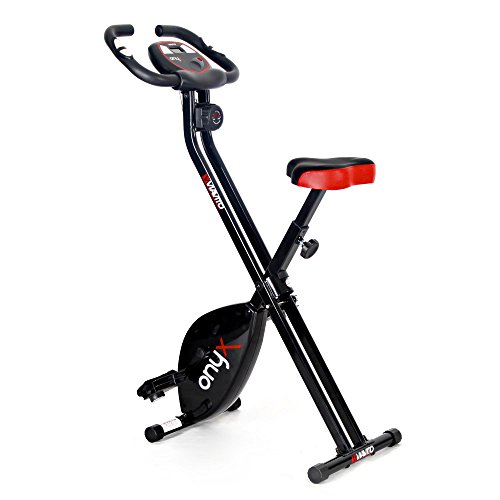
Stationary bicycle make it possible for users to exercise from the convenience of their homes, saving time and travel costs associated with going to the gym. With various models, they can likewise easily be stored away when not in usage.
4. Customizable Intensity
Many exercise bikes feature adjustable resistance settings, allowing users to tailor their exercises according to their fitness levels. This adaptability also assists in challenging users as they advance.
5. Versatile Workouts
Stationary bicycle deal with various workout designs, including steady-state trips, high-intensity interval training (HIIT), or even virtual cycling classes, providing range to prevent monotony.
6. Monitoring Progress
Numerous contemporary exercise bikes are geared up with digital screens that track metrics such as heart rate, distance, speed, and calories burned, helping users set goals and monitor their progress better.
Kinds Of Exercise Bikes
When picking a stationary bicycle, it’s important to consider the various types offered, as each offers distinct functions and advantages.
| Kind Of Exercise Bike | Description | Perfect For |
|---|---|---|
| Upright Bikes | Conventional bike designs with seat positioned like a road bike. | General fitness, cycling training, and calorie burning. |
| Recumbent Bikes | Seats are wider and sit lower to the ground for back assistance. | Users with back problems, restricted movement, or those seeking convenience. |
| Spin Bikes | Sturdier frames with very little features, suitable for high-intensity exercises. | Bicyclists trying to find a gym-like experience at home or high-intensity cyclists. |
| Dual Action Bikes | To reproduce upper body and lower body workouts. | Those looking to optimize calorie burning and engage numerous muscle groups. |
| Air Bikes | Utilize a fan to develop resistance; the harder you Pedal Exerciser, the more resistance you deal with. | Advanced users looking for extreme, full-body exercises. |
Choosing the Right Exercise Bike
Selecting the finest exercise bike needs careful consideration of numerous factors:
1. Budget
- Determine your spending plan variety. Stationary bicycle been available in differing cost ranges; knowing your limitation can help narrow down alternatives.2. Area
- Measure the location where you plan to put the bike. Think about collapsible alternatives if space is a concern.3. Functions
- Look for features that fulfill your needs, such as Bluetooth connectivity, adjustable pedals, integrated workouts, and ergonomic seat options.4. Convenience
- Test the bike before acquiring if possible, paying attention to seat comfort, handlebar positioning, and adjustability to discover the very best fit.5. Evaluations and Recommendations
- Research online reviews and look for recommendations from friends or professionals. User experiences can offer valuable insights into the performance and resilience of the bike.Preserving Your Exercise Bike
To make sure durability and optimal efficiency, routine maintenance of the stationary bicycle is necessary:
-
Check Bolts and Levels:Regularly inspect if all screws, bolts, and leveling feet are firmly secured.
-
Clean Regularly:Wipe down any sweat or gunk on the bike post-workout to avoid rust.
-
Oil Moving Parts:Depending on the design, produce a routine lubrication schedule to prevent wear and tear.
-
Screen Cables:For bikes with resistance cables, ensure they are intact and working.
Frequently asked questions
Q: How long should I ride an exercise bike for optimum advantage?
A: Aim for at least 150 minutes of moderate-intensity aerobic activity weekly, burglarized sessions of about 30 minutes.
Q: Can I slim down with a stationary bicycle?
A: Yes, when combined with a healthy diet plan, utilizing an exercise bike can help in weight loss by burning calories.
Q: What’s the difference in between a recumbent and upright bike?
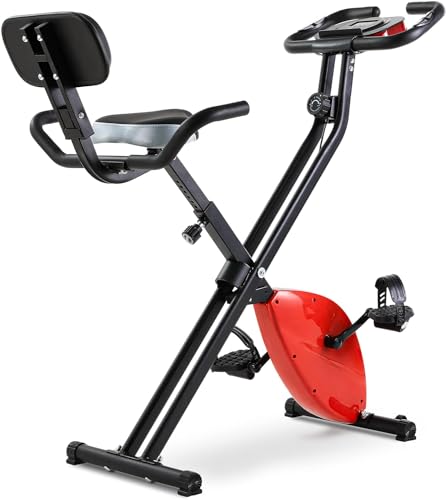
A: Recumbent bikes provide back support and a more reclined position, lowering stress on the back and joints, while upright bikes mimic conventional biking positions.
Q: Are exercise bikes suitable for seniors?
A: Yes, especially recumbent bikes, as they offer a comfy, low-impact exercise for senior citizens.
Q: What should I use while exercising on a bike?
A: It is recommended to wear comfy exercise clothes and supportive athletic shoes for maximum performance.
Stationary bicycle remain a popular option amongst fitness lovers for their many health benefits, range in workout styles, and flexibility to various fitness levels. Comprehending the various types readily available and how to pick the very best fit will empower people to accomplish their fitness objectives effectively. Whether for weight reduction, cardiovascular health, or merely delighting in a quality workout, a stationary bicycle can be a valuable addition to anyone’s fitness regime.