

Portable Ramp Wheelchair
Add a review FollowOverview
-
Founded Date December 30, 1963
-
Sectors Engineering
-
Posted Jobs 0
-
Viewed 21

Company Description
Guide To Ramps For Mobility Scooters: The Intermediate Guide Towards Ramps For Mobility Scooters
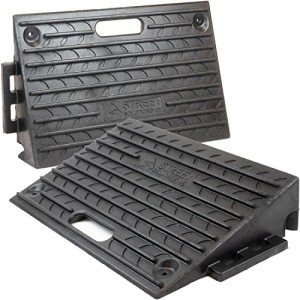
Ramps for Mobility Scooters: A Comprehensive Guide
Mobility scooters have actually ended up being invaluable tools for people with mobility difficulties, offering a sense of independence and freedom to navigate numerous surfaces. However, for these scooters to be completely functional in daily life, making use of ramps is often essential. In this post, we will explore different types of ramps, their advantages, elements to think about when picking the best ramp, and respond to some often asked concerns.
Understanding Ramps for Mobility Scooters
Ramps are inclined surface areas that allow mobility scooters to get rid of obstacles such as curbs, steps, and limits, making it much easier and safer for users to access structures, lorries, and outside locations. By offering a gentle slope, ramps reduce the threat of mishaps and increase accessibility for people using mobility scooters.
Kinds of Ramps
There are a number of kinds of ramps offered on the market, and each type serves various requirements. Below is a table that details the different kinds of ramps for mobility scooters:
| Type of Ramp | Description | Ideal Use |
|---|---|---|
| Foldable Ramps | Lightweight and portable ramps that can be folded for simple storage. | Home usage, travel, and events |
| Fixed Ramps | Long-term ramps made from heavy-duty products. | Accessing buildings or homes |
| Wheelchair Ramps | Created specifically for individuals utilizing wheelchairs and scooters. | Public places, homes, and businesses |
| Limit Ramps | Short ramps particularly designed to fit over door limits. | Interior or outside door access |
| Portable Ramps | Quickly easily transportable ramps made for temporary usage. | Travel and outdoor events |
Advantages of Using Ramps
-
Safety: Ramps reduce the danger of accidents by providing a steady slope for mobility scooter users to browse barriers.
-
Ease of access: With ramps in place, users can access buildings, vehicles, and public areas with greater ease.
-
Self-reliance: Ramps empower people with mobility difficulties, enabling them to move easily without depending on assistance.
-
Flexibility: Ramps are readily available in numerous sizes and styles, making them ideal for indoor and outside use, as well as for different terrains.
-
Cost-Effective: By enabling better access, ramps can alleviate the need for substantial renovations or modifications to homes or buildings.
Aspects to Consider When Choosing a Ramp
When selecting a ramp for mobility scooters, it’s crucial to examine a number of aspects to ensure it satisfies the user’s needs successfully. Here’s a list of factors to consider:
1. Weight Capacity
- Make sure the ramp can support the weight of both the mobility scooter and its user. Many ramps suggest their maximum weight capability.
2. Length and Inclination
- Steeper ramps may be harder to navigate. It’s necessary to choose a ramp with a proper length to produce a gentle slope. The Americans with Disabilities Act (ADA) suggests a ratio of 1:12 for wheelchairs, showing that for every single inch of rise, there ought to be at least 12 inches of ramp run.
3. Product
- Ramps are made from various materials including aluminum, wood, and plastic. Aluminum ramps are lightweight and long lasting, while wood ramps may blend better visually with a home but can be heavy.
4. Mobility
- Consider how often the ramp will be moved. If portability is necessary, look for foldable or lightweight alternatives.
5. Surface Texture
- A non-slip surface is crucial for security, particularly in wet conditions. Look for ramps with textured surface areas or added grip functions.
6. Application Area
- Figure out if the ramp will be used inside or outdoors. Outside ramps might require to hold up against weather condition elements, while indoor ramps must fit comfortably in entrances or hallways.
7. Regional Regulations
- Constantly inspect local structure codes or regulations regarding ramp setup, particularly for permanent structures.
Regularly Asked Questions (FAQs)
1. How do I know what size ramp I require?
- The size of the ramp needed will depend on the height that requires to be overcome and the readily available area for the ramp. Determining the vertical rise and considering the ADA advised slope ratio will assist figure out the proper length.
2. Can ramps be utilized for other mobility help besides scooters?
- Yes, ramps can be made use of for various mobility aids, including wheelchairs, walkers, and even strollers.
3. Exist any security tips for utilizing ramps?
- Constantly examine that the ramp is firmly located and stable before use. Motivate users to approach ramps gradually and preserve a steady speed when rising or descending.
4. How do I maintain my ramp?
- Frequently inspect the ramp for any signs of wear or damage. Tidy them regularly to get rid of dirt and prevent slipping, and secure any loose hardware.
5. Are there financial assistance programs for buying ramps?
- There are a number of programs that might assist in buying ease of access devices, including ramps. These might include local grants, government assistance programs, or charitable organizations concentrated on disability assistance.
Ramps for mobility scooters play a substantial role in developing accessible environments for individuals with mobility difficulties. By understanding the different types of ramps readily available, their benefits, and the elements to think about when picking a ramp, individuals and caretakers can make informed decisions that boost independence and safety. Whether for home usage, public buildings, or travel, the right ramp will make sure that mobility scooter users can maneuver their world with ease, dignity, and self-confidence.