

Robot Hoover And Mop UK
Add a review FollowOverview
-
Founded Date February 17, 1996
-
Sectors Finance
-
Posted Jobs 0
-
Viewed 30

Company Description
It’s A Robot Vacuum Success Story You’ll Never Believe
Say Goodbye to Chores: A Comprehensive Guide to Robot Vacuum Cleaners in the UK
In today’s hectic world, family tasks often take a backseat to work, family, and leisure. For numerous in the UK, the possibility of costs valuable leisure time vacuuming floors is less than appealing. This is where robot vacuum have actually emerged as game-changers, providing a convenient and increasingly advanced service to keep homes clean with minimal effort. These автономные cleaning gadgets have transitioned from futuristic gadgets to necessary home appliances, perfectly integrating into modern UK homes.
This post explores the world of robot vacuum cleaners in the UK, supplying a useful guide for anyone thinking about embracing this time-saving technology. We will explore how they work, the myriad benefits they offer, vital elements to think about when purchasing one, and practical tips for optimizing their efficiency.
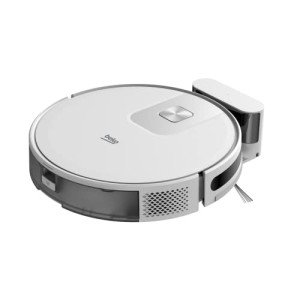
How Do Robot Vacuum Cleaners Work?
At their core, robot vacuum cleaners are ingeniously developed devices geared up with a combination of sensing units, motors, and cleaning systems that enable them to browse and tidy floors autonomously. While models vary in complexity and features, the essential principles remain constant.
Many robot vacuums use a suite of sensing units to map their surroundings and prevent obstacles. These sensors can include:
- Bump Sensors: These find physical contact with things, triggering the robot to change direction and prevent crashes.
- Cliff Sensors: Essential for homes with stairs, these infrared sensing units find drops and avoid the robot from falling.
- Wall Sensors: Allow robots to follow walls and edges for extensive cleaning along borders.
- Optical and Gyroscopic Sensors: Used in advanced models, these sensors help with navigation and mapping, enabling systematic cleaning patterns rather than random motions.
- LiDAR (Light Detection and Ranging) and Visual SLAM (Simultaneous Localization and Mapping): Found in higher-end robots, these innovations develop detailed maps of the home, Best Robot Vacuum And Mop UK, Https://Pepperbail21.Bravejournal.Net, enabling efficient and precise navigation, space recognition, and virtual border setting through mobile phone apps.
Beyond navigation, robot vacuums employ different cleaning parts:
- Side Brushes: Rotating brushes that sweep particles from edges and corners into the path of the main brush.
- Main Brush Roll: Typically a cylindrical brush, frequently with bristles and rubber blades, that agitates carpets and sweeps up dirt and particles. Some designs offer interchangeable brush rolls enhanced for either carpets or tough floorings.
- Suction Motor: Creates suction to raise dirt and dust from the floor and into a dustbin within the robot. Suction power varies significantly in between models.
- Filters: Crucial for trapping fine dust particles and irritants. Many robot vacuums, particularly those going for pet owners or allergic reaction victims, integrate HEPA (High-Efficiency Particulate Air) filters.
Powering these functions is a rechargeable battery. Once the battery is low, or cleaning is complete, a lot of robot vacuums instantly go back to their docking station to recharge, ready for the next cleaning cycle.
The Enticing Benefits of Robot Vacuum Cleaners
The appeal of robot vacuum stems from the numerous advantages they give the table, particularly for busy individuals and households in the UK.
Here are some essential advantages:
- Convenience and Time-Saving: This is arguably the biggest draw. Robot vacuums free up your time by automating a tedious task. Set a schedule or start them remotely while you are at work or relaxing.
- Constant Cleanliness: Robot vacuums can be programmed to clean daily, guaranteeing your floorings are consistently tidier than with infrequent manual vacuuming.
- Pet Hair Management: A significant concern for lots of UK households with family pets. Robot vacuums, especially those with strong suction and specialized brush rolls, are extremely reliable at getting pet hair, dander, and allergens.
- Improved Air Quality: Models with HEPA filters assist to trap fine dust, pollen, and pet dander, contributing to cleaner and much healthier indoor air, particularly helpful for allergic reaction and asthma patients.
- Ease of access: For people with mobility problems, the senior, or those with restricted physical strength, robot vacuums provide a method to preserve tidy floorings without the strain of conventional vacuuming.
- Under-Furniture Cleaning: Robot vacuums can easily reach under couches, beds, and other furnishings where conventional vacuums battle, tackling dust bunnies in hard-to-reach locations.
- Smart Home Integration: Many modern robot vacuums can be linked to smart home ecosystems, enabling voice control through devices like Amazon Alexa or Google Assistant, and permitting for push-button control and scheduling by means of smart device apps.
Browsing the UK Market: Factors to Consider When Choosing a Robot Vacuum
The UK market offers a wide variety of robot vacuum cleaners, varying in cost, functions, and capabilities. To make an informed decision, think about these vital factors:
- Floor Type: UK homes often feature a mix of carpet and tough floorings (wood, laminate, tile). Choose a robot vacuum developed for your primary floor type, or one that stands out on both. Look for designs with adjustable suction levels and brush rolls appropriate for different surface areas.
- Suction Power: Higher suction power is essential for successfully cleaning carpets, rugs, and choosing up pet hair. If you have mainly tough floors or minimal carpets, slightly lower suction may be enough.
- Navigation and Mapping:
- Random Navigation: Budget-friendly designs often use bump sensing units and random patterns. Less effective, however can still clean successfully over time.
- Methodical Navigation: Utilizes sensing units and algorithms to clean up in organized patterns (e.g., rows or S-shapes). More efficient and faster cleaning.
- LiDAR/Visual SLAM Mapping: High-end models create detailed maps of your home, making it possible for room-by-room cleaning, virtual boundaries, no-go zones, and more exact navigation.
- Battery Life and Charging: Consider the size of your home. Bigger homes require longer battery life. Try to find designs with auto-docking and resume functions that automatically charge and continue cleaning where they left off.
- Features:
- Mopping Function: Some robot vacuums provide mopping abilities, either as a standalone mop or a combined automatic vacuum cleaner uk-mop. Think about if this is a wanted feature for your difficult floorings.
- App Control and Smart Home Integration: Apps supply functions like scheduling, remote start/stop, cleaning history, map viewing, and virtual limits. Smart home combination enables voice control.
- Virtual Walls and No-Go Zones: Physical or virtual boundaries can avoid the robot from getting in particular locations or spaces. Helpful for securing delicate items or keeping the robot out of children’s play areas.
- Sound Level: Robot vacuums are usually quieter than traditional vacuums, but sound levels can differ. If noise is a concern, check product requirements for decibel rankings.
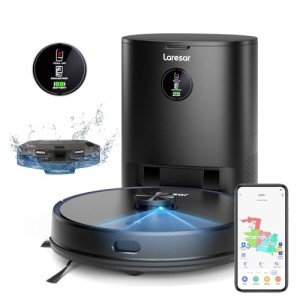
- Dustbin Capacity and Emptying: Consider the dustbin size. Smaller bins might need more regular emptying, particularly for homes with pets or heavy shedding. Some premium designs provide Self Cleaning Robot Vacuum-emptying bins that transfer dust to a bigger container in the docking station.
- Cost and Budget: Robot vacuum rates vary considerably. Identify your budget and prioritize functions that are most essential to you. Keep in mind that greater rate frequently associates with advanced features, better navigation, and potentially longer life expectancy.
- Brand Reputation and Reviews: Research reliable brand names and check out consumer reviews to evaluate dependability, performance, and consumer support. Popular brands in the UK market include iRobot Roomba, Shark, Eufy, Roborock, and Dyson (though Dyson’s robot vacuum variety is presently limited).
Tips for Maximizing Your Robot Vacuum Experience
To guarantee your robot vacuum cleaners uk vacuum carries out efficiently and lasts for many years to come, follow these pointers:
- Prepare the Area: Before each cleaning cycle, ensure floors are clear of cables, little toys, and other obstacles that could tangle brushes or obstruct the robot.
- Routine Maintenance: Empty the dustbin routinely. Clean the brushes, side brushes, and filters as advised by the maker. Replacing filters occasionally will maintain ideal suction and air filtration.
- Arrange Cleaning Strategically: Program your robot vacuum to tidy throughout times when you are out of the house or when you are relaxing in another space to minimize interruption.
- Make Use Of Virtual Walls/No-Go Zones: Set up boundaries to secure fragile areas or keep the robot consisted of within particular rooms as needed.
- Run it Regularly: For constant cleanliness, schedule your robot vacuum to tidy everyday or a number of times a week, even if simply for a fast upkeep clean.
- Monitor Performance: Periodically check the dustbin and cleaning results to make sure the robot is working successfully. If you see a reduction in efficiency, examine and clean up the parts.
Robot vacuum provide a compelling service for keeping clean floorings in the UK with very little effort. By understanding their functionality, considering your specific needs and home environment, and picking sensibly from the varied range readily available, you can invest in a gadget that genuinely releases up your time and boosts your living space. From taking on pet hair to navigating complicated floorplans, modern robot vacuums are intelligent cleaning companions that can substantially streamline family chores and bring a new level of convenience to your every day life.
Often Asked Questions (FAQs) about Robot Vacuum Cleaners
Q: Are robot vacuum cleaners worth the cash?
A: For lots of people, yes. The benefit and time-saving advantages are considerable, particularly for busy homes, pet owners, and those with movement limitations. While the initial investment can be greater than a conventional vacuum, the long-term worth in regards to time saved and constant cleanliness makes them rewarding for many.
Q: Can robot vacuums efficiently tidy pet hair?
A: Yes, many robot vacuums are particularly developed for pet hair elimination. Look for designs with strong suction, specialized brush rolls (frequently rubber or silicone), and HEPA filters. Regular cleaning with a pet-focused robot vacuum can substantially minimize pet hair build-up.
Q: Do robot vacuums deal with carpets?
A: Yes, the majority of robot vacuums can clean carpets, but performance differs. For thicker carpets, pick models with greater suction power and brush rolls designed for carpet agitation. Some budget plan designs may struggle on deep pile carpets.
Q: How often should I run my robot vacuum?
A: Daily cleaning is ideal for maintaining regularly clean floors. However, even running it a couple of times a week will be helpful. Set up cleaning based on your requirements and lifestyle.
Q: How long do robot vacuum cleaners last?
A: The life expectancy of a robot vacuum depends upon the brand name, design, and use. With proper maintenance, an excellent quality robot vacuum can last for numerous years, typically 3-5 years or more.
Q: Do robot vacuums need much maintenance?
A: Routine maintenance is necessary, however relatively simple. This mainly includes emptying the dustbin, cleaning brushes and side brushes, and replacing filters regularly. Following the maker’s directions will ensure optimum performance and longevity.
Q: Are robot vacuums loud?
A: Robot vacuums are normally quieter than conventional upright or cylinder vacuums. Noise levels differ between models, however they are generally designed to be less obtrusive.
Q: Can robot vacuums fall down stairs?
A: No, a lot of robot vacuums are equipped with cliff sensors that detect drops and avoid them from falling down stairs.
Q: What are the different types of navigation in robot vacuum and cleaner vacuums?
A: The main types are:
- Random Navigation: Bounces around arbitrarily, counting on bump sensors.
- Systematic Navigation: Cleans in organized patterns (rows, S-shapes).
- LiDAR/Visual SLAM Navigation: Creates detailed maps for accurate and efficient cleaning with sophisticated functions.