

Robot Vacuum Cleaner On Sale
Add a review FollowOverview
-
Founded Date September 5, 1926
-
Sectors Engineering
-
Posted Jobs 0
-
Viewed 11

Company Description
The Little-Known Benefits Of Robot Shop Vacuum
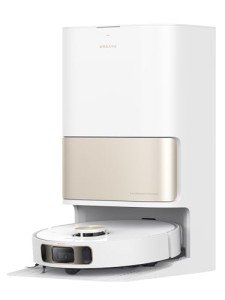
The Rise of Robot Shop Vacuums: Your Ultimate Cleaning Companion
The landscape of home upkeep has actually transformed considerably over the last few years, mainly due to advancements in robotic innovation. Amongst these innovations, robot shop vacuums have become a favorite for homeowners, DIY lovers, and professionals alike. These self-governing cleaning gadgets allow users to keep a tidy environment more efficiently than conventional vacuum. In this article, we’ll check out the features, advantages, and factors to consider of robot shop vacuums, offering an extensive guide for anyone considering buying this technology.
What Is a Robot Shop Vacuum?
A robot shop vacuum is a compact, autonomous cleaning gadget designed particularly for industrial and commercial environments. Unlike domestic robot vacuums that focus mostly on carpets and tough floorings, robot shop vacuums are crafted to manage much heavier particles, such as sawdust, metal shavings, and bigger particles typically found in workshops, garages, and building sites.
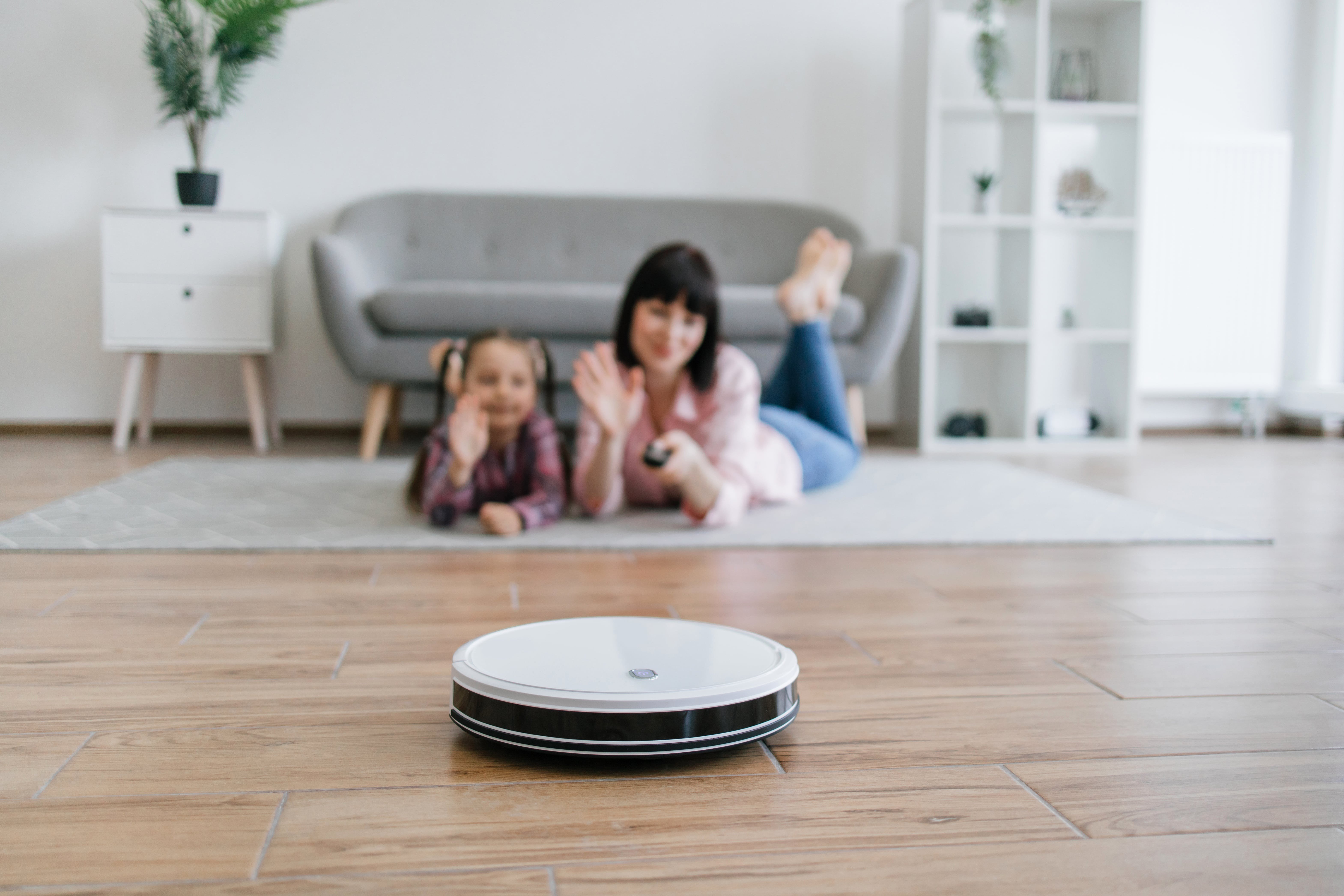
Key Features of Robot Shop Vacuums
Here’s a table highlighting some essential functions to think about when assessing numerous models of robot shop vacuums:
| Feature | Description |
|---|---|
| Suction Power | The strength of the vacuum; determined in pascals (Pa). Greater rankings imply much better efficiency. |
| Dust Bin Capacity | The size of the dust container; bigger bins need less regular emptying. |
| Battery Life | Duration the vacuum works on a single charge; generally varies from 60 to 120 minutes. |
| Navigation Technology | Includes smart mapping, sensors, and electronic cameras; affects how well the vacuum maneuvers. |
| Filtration System | HEPA filters catch dust and allergens, enhancing air quality. |
| Wi-Fi Connectivity | Enables remote control through a smartphone app for scheduling cleans and tracking. |
| Size and Weight | The dimensions and weight affect portability and ability to browse tight areas. |
Advantages of Robot Shop Vacuums
Buying a robot shop vacuum can significantly improve your cleaning abilities. Here are some noteworthy advantages:
-
Time Savings: Automation enables users to focus on other tasks while the vacuum cleans up, maximizing performance in hectic environments such as workshops or garages.
-
Deep Cleaning: Advanced navigation technologies help guarantee extensive cleaning, even in hard-to-reach areas, minimizing missed areas often left by traditional cleaning methods.
-
Versatile Cleaning: Capable of dealing with a wide range of debris– from dust to much heavier products– robot shop vacuums are best robot vacuum deals for various settings, including building and construction sites, auto shops, and woodshops.
-
User-Friendly Technology: Most designs include smart device controls, permitting users to set cleaning schedules and keep track of performance from another location.
-
Improved Air Quality: With powerful suction and advanced filtration systems, these vacuums help trap irritants and particle matter, contributing to healthier spaces.
Contrast of Popular Robot Shop Vacuums
To further help readers in their selection procedure, we compare three popular designs, concentrating on their key functions and efficiency.
| Design | Suction Power | Dust Bin Capacity | Battery Life | Navigation Technology | Filtration System | Price Range |
|---|---|---|---|---|---|---|
| Vacuum A | 2500 Pa | 2L | 90 minutes | Smart Mapping | HEPA Filter | ₤ 200 – ₤ 300 |
| Vacuum B | 3000 Pa | 1.5 L | 120 minutes | Sensor-based | Requirement Filter | ₤ 300 – ₤ 400 |
| Vacuum C | 2200 Pa | 2.5 L | 60 minutes | Gyroscopic | HEPA Filter | ₤ 150 – ₤ 250 |
Considerations Before Purchase
Before selecting a robot shop vacuum, customers should think about the following aspects:
-
Cleaning Environment: Evaluate the specific cleaning requires based on the type of particles typically discovered in your work space.
-
Upkeep Requirements: Regularly cleaning filters and clearing the dust bin is necessary for ideal performance. Make sure the model you choose is easy to preserve.
-
Cost vs. Performance: While high-end designs typically come with sophisticated functions, think about whether these functions justify the rate for your specific needs.
-
Space Dimensions: Measure the location to be cleaned. A vacuum that is too large may not fit into tight corners, while one that is too little might not possess the required power.
-
Smart Features: Decide whether connection features are vital for your workflow. Some users may discover smartphone combination includes considerable value.
Regularly Asked Questions (FAQs)
1. How often should I clear the dust bin of my robot shop vacuum?
The frequency of emptying the dust bin depends upon the cleaning environment and the model’s dust bin capability. Usually, clearing before each use or after significant cleaning sessions is advised.
2. Can robot shop vacuums manage wet debris?
While some models are developed with damp cleaning abilities, numerous robot shop vacuums are implied for dry debris only. Always inspect the specs before usage.
3. Are robot shop vacuums suitable for large areas?
Robot shop vacuums can be efficient in large locations, specifically models with effective batteries and advanced navigation systems. However, users may require to occasionally by hand guide the vacuum or recharge it.
4. Do robot shop vacuums deal with carpets?
Most robot shop vacuums are optimized for hard surface areas, however some designs can deal with low-pile carpets also. Constantly validate the item specifications to guarantee compatibility.
5. How do I preserve a robot shop vacuum?
Upkeep usually involves regular cleaning or replacement of the filters, clearing the dust bin, and keeping the sensing units and wheels clear of particles.
Robot shop vacuums represent the forefront of cleaning technology, supplying users with unrivaled benefit and performance. By comprehending the functions, benefits, and prospective drawbacks highlighted in this guide, consumers can make informed choices matched to their cleaning needs. As innovation continues to progress, these robotic assistants will likely become important tools in numerous environments, making cleaning simpler and more efficient than ever before.