

Soffits
Add a review FollowOverview
-
Founded Date October 31, 1908
-
Sectors Engineering
-
Posted Jobs 0
-
Viewed 49

Company Description
How To Research Fascia And Soffit Online
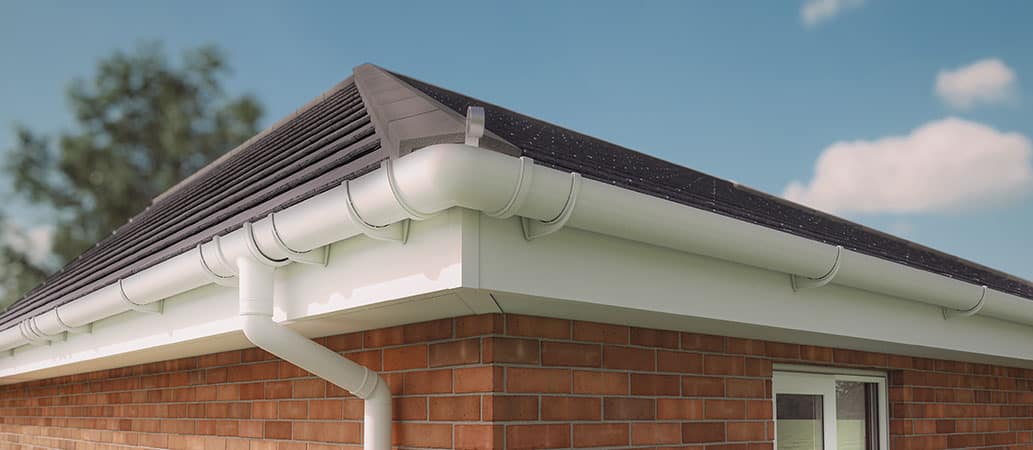
Fascia and Soffit Installation: A Comprehensive Guide
When it pertains to home enhancement and exterior maintenance, fascia and Soffit Board Repair play important functions in both functionality and aesthetic appeals. These aspects are often neglected, yet they considerably impact your home’s roof, providing ventilation, avoiding pest invasions, and framing the total look of your home. This post will look into the significance of fascia and soffit, the installation process, and often asked questions to equip you with the best understanding for your next task.
Comprehending Fascia and Soffit
What is Fascia?
Fascia describes the horizontal board that runs along the edge of the roofline. It is generally situated behind the gutter system and serves several essential purposes:
- Structural Support: Fascia supplies crucial support for the roof structure.
- Defense: It assists safeguard the rafters and the underlying structure from weather condition damage and the components.
- Visual Appeal: Fascia boards can be found in different materials and designs, improving the visual appeal of the home.
What is Soffit?
Soffits are the boards that bridge the gaps in between the outside walls of the home and the eaves of the roofing. These panels can be aerated or strong, playing an essential function in:
- Ventilation: Proper ventilation avoids moisture build-up and promotes air flow in the attic.
- Pest Prevention: Well-installed soffits assist discourage insects like birds and insects from going into the attic space.
- Curb Appeal: Much like Fascia And Soffit Contractor, soffits contribute to the overall visual of the home’s exterior.
The Importance of Proper Installation
Both fascia and Soffit And Fascia Repair should be properly installed to ensure they work successfully. Poor installation can lead to issues such as water damage, mold growth, and compromised structural integrity. That said, let’s explore the installation process detailed.
Materials Needed for Installation
| Material | Description |
|---|---|
| Fascia boards | Typically made from wood, vinyl, or aluminum |
| Soffit panels | Vinyl or aluminum prevail choices |
| Gutter brackets | Help assistance the rain gutters safely |
| Screws | For attaching the fascia and soffit |
| Determining tape | For precise measurements |
| Level | To guarantee straight and level installation |
| Safety gear | Gloves, safety glasses, and a construction hat |
Installation Steps
-
Gather Materials and Tools: Before starting, ensure you have all needed materials and tools on hand.
-
Get Rid Of Old Fascia and Soffit (if appropriate): If changing existing fascia and soffit, carefully remove them using a crowbar and hammer. Take care not to damage the underlying structure.
-
Procedure and Cut Fascia Boards: Measure the length of each area of the roofline and cut the fascia boards to size. For an exact fit, use a miter saw.
-
Install the Fascia: Begin by attaching the fascia boards to the roofing using screws. Utilize a level to ensure they are straight and even. Secure the boards firmly to the rafters.
-
Measure and Cut Soffit Panels: Once the fascia is set up, measure the area between the fascia and the outside wall of the home to cut the soffit panels appropriately.
-
Install Soffit Panels: Begin at one end and fit the panels snugly into place. Depending upon the design, either attach them straight to the rafter tails or into the wall framing.
-
Aerate if Necessary: If using aerated soffit, ensure that the panels are installed in a way to encourage optimum airflow.
-
Install Gutter Brackets: If applicable, install the gutter brackets along the fascia to support the gutter system.
-
Final Checks: Make sure all aspects are firmly attached and effectively aligned.
Tools Needed for Installation
| Tool | Function |
|---|---|
| Miter saw | For cutting fascia and soffit panels |
| Pry bar | For getting rid of old fascia and soffit |
| Screwdriver | For attaching boards and panels |
| Level | To make sure everything is directly |
| Measuring tape | For accurate measurements |
| Security equipment | To secure from injuries |
Frequently asked questions about Fascia and Soffit Installation
Q1: How Often Should I Replace Fascia and Soffit?
A: The lifespan of fascia and soffit products such as wood, vinyl, or aluminum varies but usually varies from 20 to 50 years. It’s vital to inspect them regularly for indications of wetness damage, warping, or insect infestations, advising replacement as needed.
Q2: Can I Install Fascia and Soffit Myself?
A: Yes, if you possess fundamental woodworking skills and are comfy working at heights, you can carry out the installation. Ensure you have the required tools and products and follow security precautions– nevertheless, do not hesitate to hire a professional if not sure.
Q3: What Materials are Best for Fascia and Soffit?
A: The decision often comes down to individual preference, environment, and spending plan. Common materials consist of:
- Wood: Offers a classic look however needs regular maintenance.
- Vinyl: Durable, low maintenance, and readily available in numerous colors.
- Aluminum: Resistant to rust and denting, making it a long lasting choice.
Q4: How Much Does it Cost to Install Fascia and Soffit?
A: Costs can vary commonly based on products, labor, and local prices however can normally vary from ₤ 6 to ₤ 15 per direct foot. It’s best to get numerous quotes from experts for precise price quotes.
Q5: Can New Fascia and Soffit Help with Insulation?
A: While the installation of fascia and soffit itself does not insulate, appropriate ventilation (especially with soffit) can help control attic temperature levels, minimizing energy costs and helping to preserve consistent indoor temperature levels.
Fascia and soffit installation may appear daunting, however with the right products and method, house owners can improve the toughness and appearance of their homes. Properly preserved and well-installed fascia and soffit can improve ventilation, prevent moisture-related issues, and contribute to the general aesthetic of your residential or commercial property. Whether dealing with the job yourself or working with a professional, comprehending the fundamentals is the first action toward an effective installation. Welcome this often-overlooked aspect of home improvement, and your home will thank you for it!